
Imagine a pill that could lower your blood pressure, fight dementia, and add 7 years to your life. Now imagine it’s free and sits in your backyard. Many seniors believe they need rigorous gym routines to stay healthy. But the secret to active aging might be much simpler.
Research from the Blue Zones and the National Institute on Aging points to a surprising factor in life expectancy: a “sense of purpose.”
This isn’t just about feeling good. Data suggests that waking up with a clear reason to move can increase your lifespan by up to 7 years.
When retirement hits, many people face a “purpose void.” The daily routine vanishes, and physical decline often follows.
You need a solution that bridges the gap between living longer and enjoying life. That solution is purposeful gardening. It offers benefits that go far beyond fresh tomatoes.
Longevity Garden Planner
PERFECT PLAN!
You chose Adaptive Tools, Small Scale, and Community.
This maximizes longevity by reducing physical strain and preventing loneliness.
The Science: Why “Purposeful Gardening” Adds Years

The connection between your mind and your body is stronger than you might think. Waking up with a specific goal like watering the hydrangeas or checking on the seedlings changes your biology. It lowers inflammation and keeps your stress hormones in check.
In Okinawa, Japan, they call this Ikigai. In Nicoya, Costa Rica, it is Plan de Vida. Both mean “a reason to live.” Dan Buettner, founder of the Blue Zones, identifies this as a primary reason these populations live to 100. It gives them a nudge to get out of bed every morning.
The science backs this up. A study by Dr. Becca Levy at Yale University found that positive beliefs about aging and having a purpose can lead to a life expectancy that is 7.5 years longer.
It’s not just optimism; it’s survival. Furthermore, a 2025 study in Nature Medicine confirmed that seniors who engage in active hobbies see a 29% reduction in mortality. The benefits aren’t just in your head; they’re in your muscles too.
It’s Not Just “Sitting in the Dirt”: The Physical Boost
You don’t need to lift heavy weights to be strong. In fact, gym machines often isolate muscles in ways that don’t help with real life. You need “Functional Fitness” the kind that helps you carry groceries or climb stairs without pain.
Gardening provides this naturally. It mimics what experts call “High-Intensity Incidental Physical Activity.” When you squat to pull a weed, dig a hole, or carry a watering can, you are doing a full-body workout.
This “Green Gym” effect burns over 300 calories per hour. You build strength and balance without realizing it, which drastically reduces the risk of falls.
There is also a chemical bonus. Exposure to sunlight boosts your Vitamin D levels, which is vital for bone health. Plus, the soil contains a bacteria called Mycobacterium vaccae.
Breathing this in or absorbing it through your skin can boost serotonin, acting as a natural antidepressant.
The Brain Protector: Gardening vs. Dementia

Your muscles aren’t the only thing growing in the garden. Your brain gets a heavy workout, too. Keeping your mind sharp is critical as you age, and gardening is one of the best ways to do it.
A study published in the Medical Journal of Australia followed nearly 3,000 seniors. It found that those who gardened daily had a 36% lower risk of dementia. This was more effective than walking.
Why? Because gardening is complex. You have to plan for the seasons, remember plant names, and solve problems like pests or wilting leaves. This mental effort creates neuroplasticity it keeps your brain flexible and ready to learn.
The sensory stimulation helps, too. The smell of basil or the feel of soil acts as “grounding,” which helps lower anxiety and keeps you present.
Gardening vs. Dementia: Key Benefits
| Feature | What It Does | Why It Matters |
| The Big Stat | Lowers dementia risk by 36% | This is more effective than walking for maintaining brain health. |
| Brain Workout | Requires planning, memory, and problem-solving | Builds neuroplasticity (keeps your brain flexible and ready to learn). |
| Sensory Boost | Engages smell, touch, and sight | Acts as “grounding” to lower anxiety and keep you present. |
The “Garden Diet”: Why Homegrown Food Heals
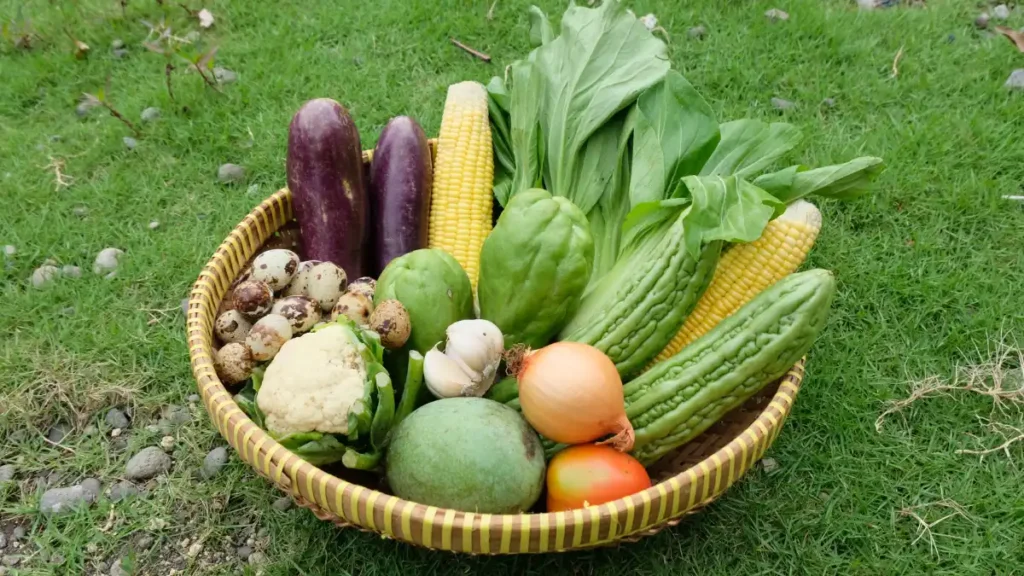
There is a major difference between a tomato from the grocery store and one from your vine. Vegetables in the supermarket travel long distances.
They sit in trucks and on shelves for days. During this time, they lose vital nutrients. Spinach, for example, loses half of its folate within a week of harvest.
When you garden, you eat food at its peak. You pick it and eat it the same day. This means you get the maximum amount of vitamins and minerals your body needs to repair itself.
Plus, you are more likely to eat healthy food if you grew it yourself. It gives you a sense of pride to put a salad on the table that came from your own work. This creates a healthy cycle of effort and nourishment.
Beat Loneliness: How Plants Connect People
Retirement can sometimes feel lonely. But a garden is a natural conversation starter. It brings people together in surprising ways. When you are out front watering your flowers, neighbors are more likely to stop and say hello. It signals that you are active and present in the neighborhood.
Gardening also gives you something to share. You might end up with too many zucchini or peppers. Giving this extra food to friends or family strengthens your relationships.
It creates a “village” around you. Strong social ties are a key factor in living longer. Your plants don’t just feed you; they help you build a community.
3 Low-Stress Plants to Grow First
You want your first garden to be a success, not a struggle. If you choose difficult plants, you might get frustrated and quit. Start with these three “forgiving” options that are hard to kill and offer quick rewards:
- Mint or Basil: Herbs are weeds. They want to grow. Put them in a pot near a sunny window, and they will thrive. You get fresh flavor for your meals with almost zero effort.
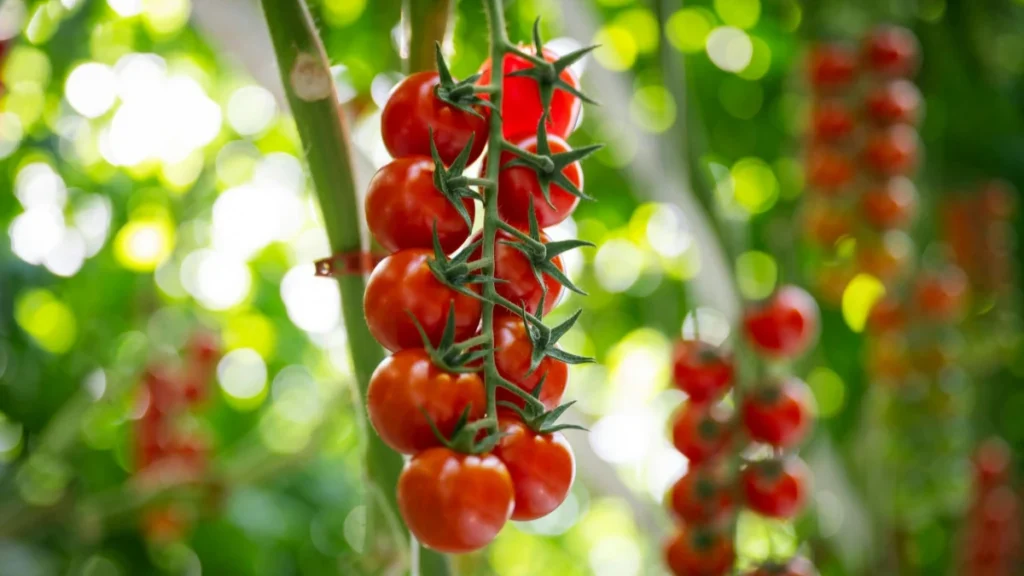
- Cherry Tomatoes: These are easier than big tomatoes. They ripen faster and produce a lot of fruit. Snack on them right off the vine for a burst of sweetness.
- Zinnias: You need beauty, too. These flowers are colorful and tough. They attract butterflies, which adds even more life to your garden. Just sprinkle the seeds and water them.
Actionable Guide: How to Start (Even Without a Yard)

You don’t need an acre of land to reap these rewards. The goal is the activity, not the harvest. Here is how you can start today using adaptive gardening tools and simple methods:
- Start Small: Don’t dig up the whole backyard. Begin with container gardening. A single tomato plant or a box of herbs on a windowsill is enough to create a daily routine.
- The “Community” Hack: Loneliness is a major health risk for seniors. Joining a community garden solves this. You get the physical work and the social connection, which is a key pillar of longevity.
- Safety First: Protect your body. Use raised beds so you don’t have to bend over too far. Get a garden kneeler with handles to help you get up and down. These tools make the work safe and enjoyable.
Conclusion
Gardening offers the “Triple Crown” of longevity: physical movement, mental challenge, and spiritual purpose. It keeps your body moving, your brain solving problems, and your spirit looking forward to tomorrow.
Don’t wait for spring. Buy one indoor plant today and name it. Your path to 7 extra years starts with a single pot.