
You watch the scale drop and notice your arms getting leaner, yet your midsection stays exactly the same. It is incredibly frustrating when strict dieting and endless cardio fail to touch that one stubborn area.
You likely feel like your body is fighting you, holding onto weight despite your hard work. This isn’t just about willpower.
We are breaking down the science of why belly fat resists change and the specific strategy needed to finally burn it off.
Why Is Belly Fat So Stubborn?
Stubborn belly fat persists for several reasons. Genetically, some individuals are more predisposed to storing fat in this area. Biologically, this “active” fat is often more resistant to being burned.
Hormonal shifts, especially those related to aging and menopause, also play a significant role. Furthermore, lifestyle factors can make it worse, including high stress, poor sleep, excessive alcohol, and a diet high in processed foods.
High stress levels directly contribute to the accumulation of stubborn belly fat. When stressed, the body releases cortisol, a hormone that encourages fat storage. This hormonal response often targets the abdominal region specifically.
Lifestyle habits such as poor sleep and excessive alcohol consumption also play a role. Lack of sleep disrupts hormones that control appetite and fat storage. Alcohol, particularly when consumed in excess, is frequently linked to increased abdominal fat.
Finally, diet is a critical factor, as processed foods and unhealthy fats promote this issue. An unhealthy diet can lead to insulin resistance, making it difficult for the body to burn energy. These dietary choices fuel the persistence of abdominal fat.
Subcutaneous Fat (The Pinchable Kind)
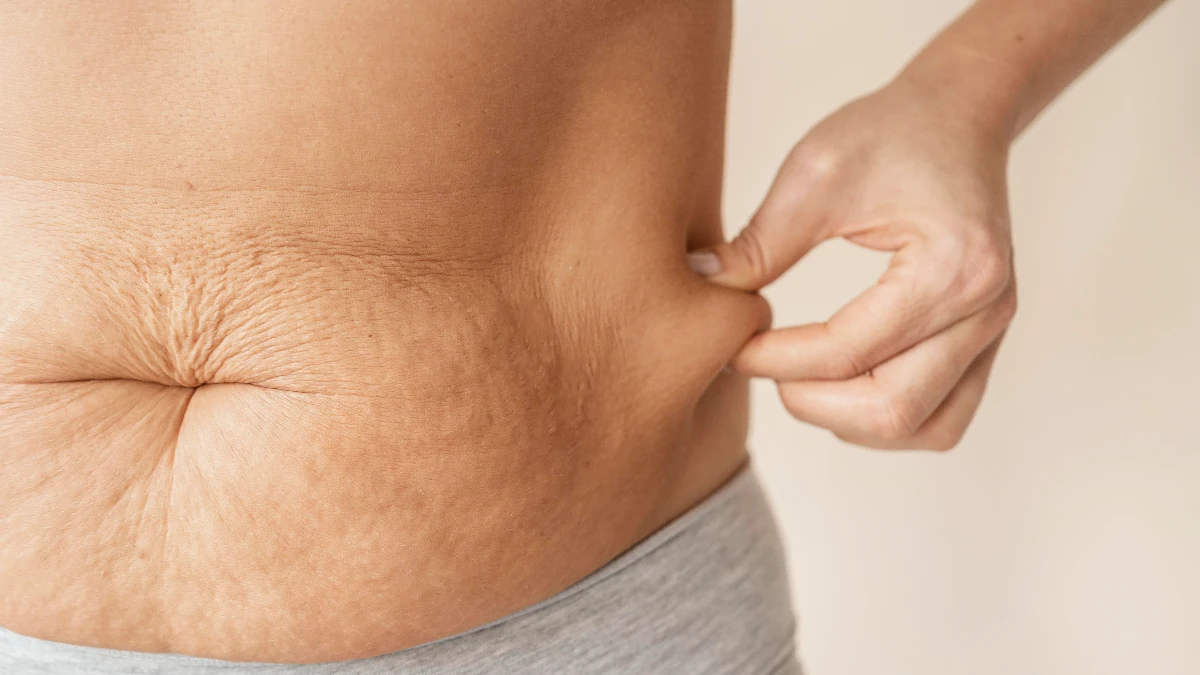
Subcutaneous fat is the layer right under your skin. It’s the soft, pinchable stuff that makes your clothes feel tight. While having too much of any fat isn’t great, this type is less harmful to your health. It stores energy, keeps you warm, and protects your body.
When you lose weight. This is usually the first fat to go, which is why you might see your face and arms get slimmer before your belly does.
Visceral Fat (The Dangerous Kind)
Visceral fat is the one you need to worry about. It’s located deep inside your belly. Where it wraps around your important organs like the liver, heart, and intestines. You can’t see or pinch it. This means you can have a normal weight and still carry a lot of this unhealthy fat, a problem often called “skinny fat.”
Scientists call visceral fat “active fat” because it releases harmful chemicals into your body. These chemicals can cause swelling and mess with your metabolism. The danger of visceral fat comes from this activity. No matter your total weight, having a lot of it raises your risk for serious health problems.
Why Visceral Fat Is So Bad for You
Too much visceral fat is a main cause of major health issues that go way beyond how you look.
Heart Disease
This fat can lead to high blood pressure and clogged arteries. One big study found that women with the largest waists were more than twice as likely to get heart disease.
Type 2 Diabetes
Visceral fat makes it harder for your body to use insulin, the hormone that controls blood sugar. This can eventually lead to type 2 diabetes.
Cancer
Studies have linked high levels of visceral fat to a greater risk of certain cancers, like colon and breast cancer.
Other Problems
It’s also linked to fatty liver disease, sleep problems, stroke, and even dementia. One study found that people in their 40s with the most belly fat were three times more likely to get dementia later in life.
Since you can’t see visceral fat, you need a different way to measure it. The easiest and most reliable way is to measure your waist. A waist measurement of more than 35 inches for women and 40 inches for men is a sign of too much belly fat and a higher risk of health problems. This simple measurement tells you more about your health risks than the number on a scale.
This is why the scale can be misleading. If you’re losing weight but your belly isn’t shrinking, you might be losing the less harmful subcutaneous fat while the dangerous visceral fat stays. The real goal isn’t just to lose weight, but to lose this specific, unhealthy fat.
Visceral fat doesn’t just sit there; it actively makes things worse. It creates a bad cycle. The fat releases chemicals that cause swelling and make your body ignore insulin. Your body then makes even more insulin to try to keep up.
High insulin tells your body to store more fat, especially more of this bad belly fat. So, the fat creates the exact problem that helps it grow, making it very hard to lose with a simple diet.
| Feature | Subcutaneous Fat (Pinchable) | Visceral Fat (Dangerous) |
| Location | Right under your skin. | Deep in your belly, around your organs. |
| Appearance | Soft, pinchable fat. | You can’t see it; makes your belly firm and stick out. |
| Activity | Less active; mainly stores energy. | Very active; acts like an organ, releasing harmful chemicals. |
| Hormones | Affected by your overall calorie intake. | Very sensitive to stress hormones (cortisol) and insulin. |
| Health Risks | Mostly a cosmetic issue. | Linked to diabetes, heart disease, and cancer. |
| How to Measure | Body fat calipers. | A tape measure around your waist (>35″ for women, >40″ for men). |
1. The Stress Hormone (Cortisol)

Cortisol is your main stress hormone. It’s helpful in short bursts, but modern life often causes long-term stress from things like work, money, or poor sleep. This keeps your cortisol levels high, which is bad for your metabolism.
High cortisol tells your body to store energy as fat for a future emergency. Your belly fat cells have more spots for cortisol to attach to. So when you’re stressed, your body sends fat straight to your belly.
One expert says, “When the stress hormone cortisol goes through your body, fat takes residence in your belly”. High cortisol also makes you crave sugary, high-calorie foods, which creates a cycle of stress-eating and belly fat storage.
2. The Fat-Storage Hormone (Insulin)
Insulin controls your blood sugar, but it’s also a powerful fat-storage hormone. When you eat a lot of refined carbs and sugar (like in white bread, pastries, and soda), your blood sugar spikes.
Your body releases a lot of insulin to handle the sugar. When this happens too often, two things go wrong. First, your liver gets overloaded and turns the extra sugar into fat, which gets stored in your liver and around your belly.
Second, your body’s cells start to ignore insulin’s signals, a problem called insulin resistance.
This creates another bad cycle. The extra belly fat releases chemicals that make insulin resistance worse. Your body then has to pump out even more insulin, which tells it to store even more belly fat.
3. Sex Hormones (Estrogen & Testosterone)

As you get older, your sex hormones change, and this affects where your body stores fat.
For women, estrogen directs fat to the hips and thighs before menopause. As estrogen levels drop during menopause, fat storage shifts to the belly. Many women notice more belly fat around this time, even if they haven’t gained weight.
For men, testosterone helps maintain muscle and control fat. As men age, testosterone levels can drop. Lower testosterone is linked to less muscle and more fat, especially in the belly area.
These hormones all work together. For example, stress raises cortisol, which makes you crave junk food. That junk food raises your insulin, which tells your body to store belly fat. All of this happens as your sex hormones are already telling your body to store fat in your middle. This is why just “eating less” often fails. You have to fix the hormone problems first.
The food you eat sends signals to your body. To lose belly fat, you need to eat foods that send the right signals for balanced hormones and less internal swelling.
The Problem with Low-Fat Diets
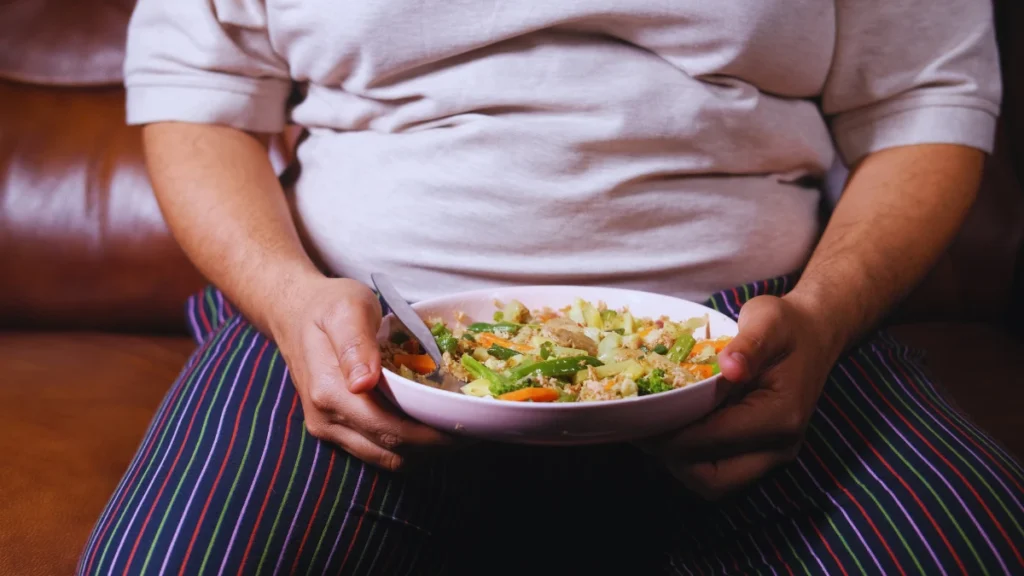
For a long time, people thought fat was the enemy. But low-fat, high-carb foods can make belly fat worse. One study found that people on a low-carb diet lost 10 more pounds than those on a low-fat diet, even with the same number of calories.
The low-carb diet also helped them lose more fat while keeping more muscle. This is because cutting carbs helps control your insulin levels.
The Power of Protein and Fiber
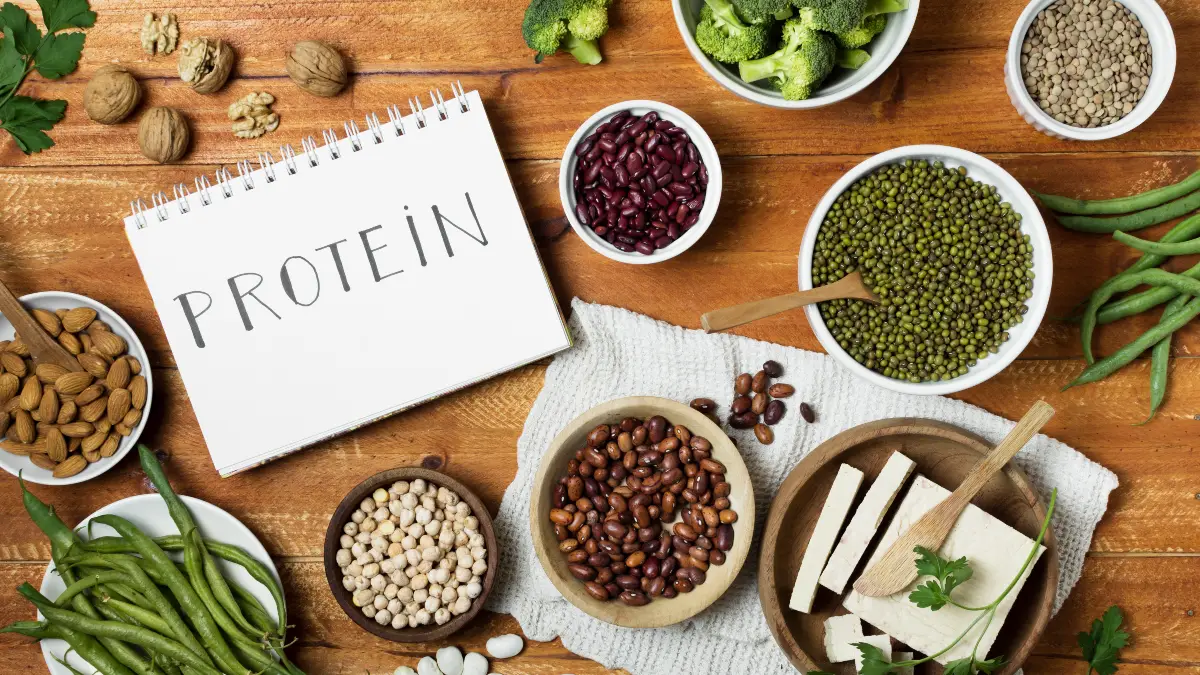
Protein and fiber are your best friends when fighting belly fat.
Protein helps you feel full, which can make you eat hundreds of fewer calories a day. It also helps you keep muscle while you lose fat, which keeps your metabolism high. People who eat more protein tend to have less belly fat.
Soluble fiber, found in foods like oats, beans, and vegetables, also helps you feel full. One study found that for every 10-gram increase in daily soluble fiber, belly fat gain decreased by 3.7% over five years.
Foods That Cause Problems

Some foods create swelling and encourage your body to store belly fat.
Trans Fats
These are artificial fats found in some processed foods. They are linked to swelling, heart disease, and belly fat gain. Always read labels and avoid anything with “partially hydrogenated oils.”
Added Sugar
Too much sugar, especially in drinks like soda and juice, is a main cause of belly fat. Your brain doesn’t register liquid calories the same way, so it’s easy to drink too much.
Too Much Alcohol
Heavy drinking is strongly linked to belly fat. Alcohol has empty calories and puts a strain on your liver. It’s best to have no more than one drink a day for women and two for men.
The Exercise Myth: Why Crunches Don’t Work
One of the biggest fitness myths is “spot reduction”—the idea that you can burn fat from a specific area by exercising it. This is why people do endless crunches to lose belly fat. But science is clear: it doesn’t work.
You Can’t Target Fat Loss
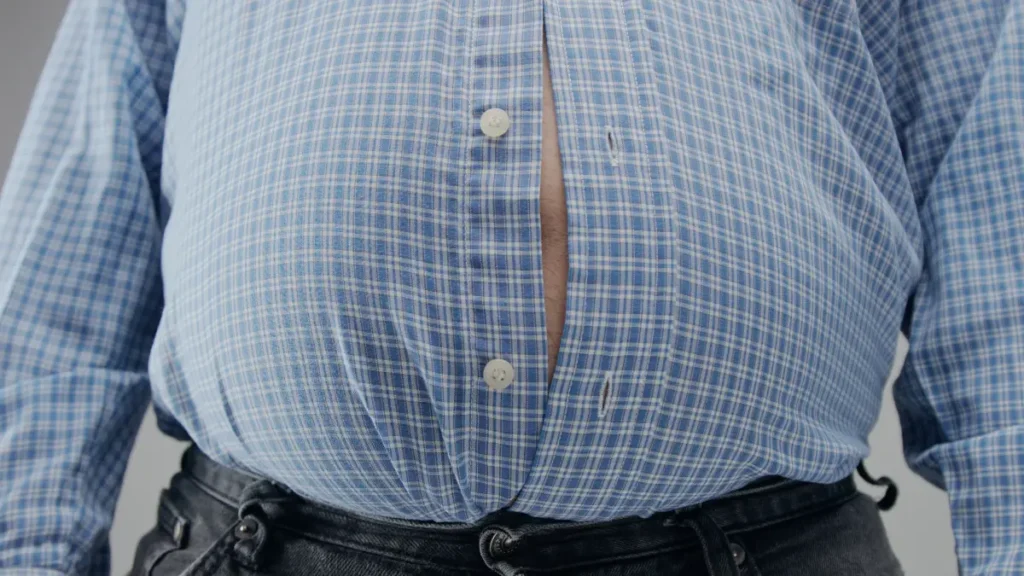
When you exercise, your body burns fat from all over, not just the part you’re working. Crunches are great for building your ab muscles, but they do almost nothing to burn the fat that covers them. A visible “six-pack” comes from having very low overall body fat, not just from strong abs.
This is also why gadgets like waist trainers and ab stimulators don’t work. Waist trainers just squeeze you and can be harmful. Ab stimulators can’t burn fat or create the calorie deficit you need to lose weight.
How Sleep, Stress, and Your Gut Affect Your Belly
The fight against belly fat isn’t just about diet and exercise. Your lifestyle choices, especially around sleep, stress, and gut health, play a huge role.
Why Poor Sleep Leads to Belly Fat

Not getting enough sleep is a major stress on your body and directly leads to more visceral fat. Studies show that people who sleep less than five hours a night are more likely to gain weight. One study found that people who slept 6 to 7 hours a night gained less visceral fat over five years than those who slept 5 hours or less.
Lack of sleep raises your stress hormone, cortisol. It also messes with the hormones that control hunger, making you crave junk food and feel less full after you eat.
Your Gut Bacteria Matter
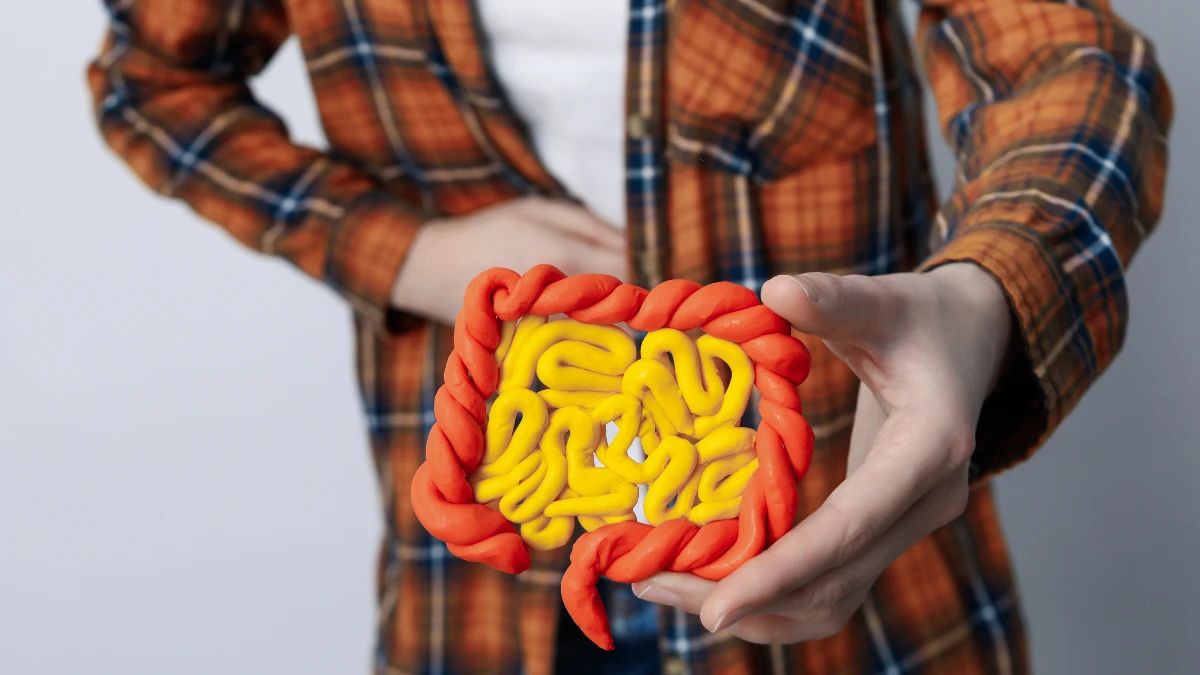
New science shows a strong link between the bacteria in your gut and belly fat. If you have an imbalance of “bad” bacteria, it can cause problems. This is why many people with stubborn belly fat also have issues like bloating and gas.
Bad bacteria can damage the lining of your gut. This lets harmful stuff leak into your bloodstream, which causes low-level swelling throughout your body. This swelling makes it harder for your body to use insulin properly, which leads to insulin resistance and more fat storage, especially in your belly.
Your Food Strategy
Build your meals around whole, nutrient-rich foods.
Eat More Protein
Have a good source of protein with every meal, like chicken, fish, eggs, or beans. Protein keeps you full and helps you keep muscle, which keeps your metabolism high.
Focus on Fiber
Eat plenty of foods with soluble fiber, like vegetables, fruits, and oats. Fiber helps control blood sugar, keeps you full, and feeds the good bacteria in your gut.
Choose Healthy Fats
Don’t be afraid of fat. Eat healthy fats from avocados, olive oil, nuts, and fatty fish like salmon. These fats fight swelling and can make your body use insulin better.
Be Smart with Carbs
Cut back on refined carbs and sugar. This means less white bread, pasta, sweets, and especially sugary drinks. Choose small portions of high-fiber carbs like quinoa, sweet potatoes, or beans instead.
Foods to Avoid
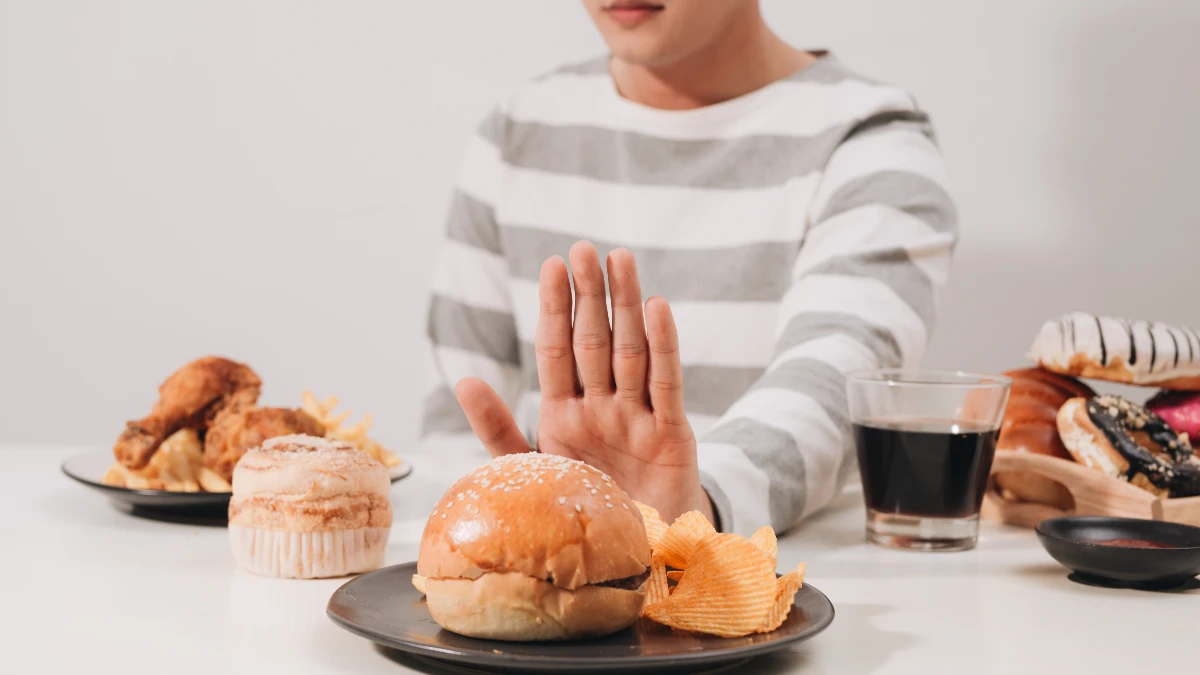
To get your hormones and swelling under control, limit these foods:
- Sugary Drinks: These are a top source of sugar that turns into belly fat. Drink water, unsweetened tea, or sparkling water instead.
- Processed Foods: Packaged snacks and fast food are full of refined carbs, unhealthy fats, and sugar, making it hard to lose fat.
- Too Much Alcohol: Limit alcohol, as it adds empty calories and can lead to fat storage.
When to Eat
What you eat is most important, but when you eat can also help. Try to be consistent. Don’t skip meals, especially breakfast, which can mess up your hunger signals and lead to overeating later. Eating most of your calories earlier in the day may also help your metabolism.
The Right Way to Exercise for a Flatter Stomach
The right exercise plan for losing belly fat isn’t about crunches. It’s a smart mix of workouts designed to burn calories, build muscle, and improve how your body uses insulin.
The 3-Part Workout Plan
The best plan combines three types of exercise, plus more daily movement.
Aerobic Exercise
This is the foundation. Aim for at least 150 minutes of moderate activity (like brisk walking) or 75 minutes of vigorous activity (like running) each week. This is one of the best ways to lose overall body fat, including visceral fat.
Strength Training
This is a must for long-term success. Lift weights or do bodyweight exercises 2-3 times a week. Building muscle is key because muscle burns more calories than fat, even when you’re resting. This helps keep your metabolism high.
High-Intensity Interval Training (HIIT)
HIIT involves short bursts of intense effort followed by short rest periods. Studies show it’s very effective for reducing belly fat. It’s also great for improving how your body uses insulin.
Move More Every Day
This is about all the calories you burn outside of formal workouts. It includes walking, taking the stairs, and doing chores. In our sit-down world, this can make a huge difference. People who sit all day don’t get the same benefits from exercise. Make an effort to move more throughout your day.
A great diet and exercise plan can be ruined by high stress and bad sleep. Getting your internal environment right is the final piece of the puzzle.
How to Get Better Sleep

Good sleep is a direct way to lower cortisol and control your hunger hormones.
Be Consistent
Aim for 7 to 9 hours of sleep a night. Go to bed and wake up around the same time every day, even on weekends.
Make Your Room a Sanctuary
Keep your bedroom cool, dark, and quiet.
Have a Bedtime Routine
Wind down before bed. Stay off screens like your phone or TV for at least an hour before you sleep. Avoid alcohol, which can mess up your sleep later in the night.
How to Manage Stress

You have to actively manage stress to lower your cortisol levels.
Try Mindfulness or Meditation
Practices like deep breathing can have a real effect on your body. One study found that people in a mindfulness program lowered their cortisol levels and lost belly fat.
Do Yoga
A study found that postmenopausal women who did yoga three times a week lost over half an inch from their waists.
Connect with People
A good support system helps with stress. You’re more likely to eat well and exercise if your friends and family do, too.
Take Active Rests
Instead of watching TV, use your free time for fun physical activities like hiking or dancing. This helps reduce stress and keeps you healthy.
Conclusion
Losing stubborn belly fat is a marathon, not a sprint. It takes time to reverse the biological forces that have been building it up for years. Healthy fat loss is about 1 to 2 pounds a week. A slow pace is a good sign—it means you’re making changes that will last.
You also need to change how you measure success. The scale is not your friend here. If you’re strength training, you’re building muscle. You could lose two pounds of fat and gain two pounds of muscle, and the scale won’t move at all. But your body will be healthier, and your clothes will fit better.
So, stop focusing on the scale. Instead, “focus on the way your clothes fit”. Measuring your waist is a much better way to track your progress. Pay attention to your energy levels, sleep quality, and mood.