

You eat your salads faithfully, swap fries for greens, and do everything right. So why is the scale moving in the wrong direction?
Your supposed health food might be sabotaging your weight loss efforts. That store-bought dressing you’re pouring over your vegetables contains hidden ingredients that promote fat storage, especially around your midsection.
Once you know what to look for, you can transform your salad from a weight-gain trap into the fat-burning powerhouse it should be. The solution is simpler than you might think.
The Hidden Culprit: Store-Bought Salad Dressings

That bottle of dressing might be the biggest obstacle to your weight loss goals. Most people don’t realize that “fat-free” salad dressings often contain alarming amounts of sugar.
A typical 2-tablespoon serving of fat-free ranch can pack up to 10g of sugar, about as much as some cookies. Food manufacturers compensate for the removed fat by adding sugar, corn syrup, or other sweeteners to maintain flavor.
Labels can be misleading. Products marketed as “light” or “heart-healthy” often swap fat for extra sugar and salt. Your body processes these added sugars quickly, triggering insulin spikes that can lead to fat storage.
What seems like a smart choice becomes counterproductive when you unknowingly drench your vegetables in what amounts to liquid candy.
Commercial dressings typically use soybean oil as their base ingredient. This cheap oil appears in countless products, but few consumers understand its impact.
Soybean oil contains high levels of linoleic acid, an omega-6 fatty acid that can disrupt your body’s natural fat-burning processes when consumed in excess.
The imbalance between omega-6 and omega-3 fatty acids in modern diets creates a recipe for weight gain that begins with something as simple as your salad dressing.
The Science Behind the Fat-Storing Effect

Recent research has uncovered troubling connections between certain oils and weight gain. A groundbreaking study published in the journal Diabetes found that diets high in linoleic acid significantly increase visceral fat storage—the dangerous fat that surrounds your internal organs.
Researchers observed that subjects consuming higher amounts of this fatty acid stored more fat regardless of their calorie intake, suggesting that not all calories function equally in the body.
Linoleic acid works against your weight-loss efforts through several mechanisms. This fatty acid interferes with your body’s ability to oxidize (burn) fat by altering cellular metabolism.
It also promotes inflammation that makes cells more resistant to leptin, the hormone that signals fullness. Your body essentially loses its ability to recognize when you’ve had enough food, leading to overconsumption and weight gain over time.
The consequences extend beyond just adding pounds. Visceral fat functions like an active organ, releasing inflammatory compounds throughout your body.
This creates a cycle of inflammation that can lead to insulin resistance, metabolic syndrome, and other serious health conditions.
The fat accumulated through this pathway proves particularly stubborn and resistant to diet and exercise, making prevention through better food choices crucial for long-term health.
Ingredients in Your Salad That Secretly Promote Weight Gain
Your bowl of greens might look virtuous, but certain add-ons can transform it into a calorie bomb. Many common salad toppings not only add extra calories but also trigger biological processes that promote fat storage. Let’s examine the worst offenders hiding in plain sight.
1. Croutons and Refined Carbohydrates
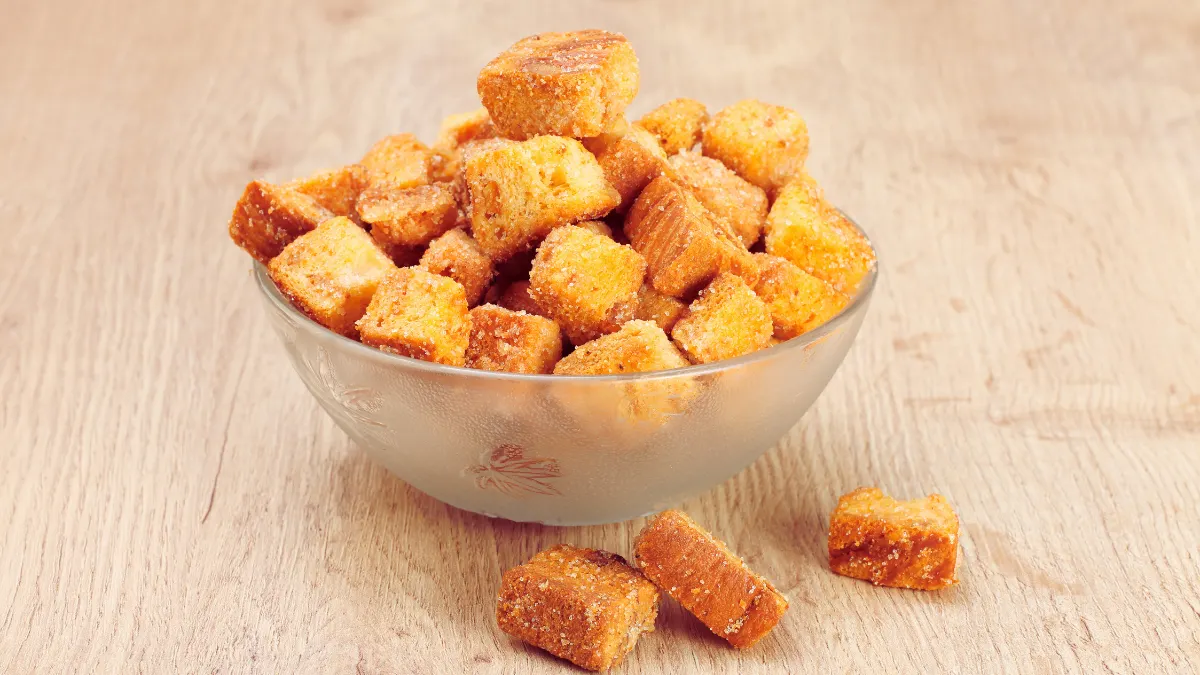
Those crunchy little squares might seem harmless, but they pack a serious metabolic punch. Most commercial croutons start with white bread that’s been stripped of fiber and nutrients, then get fried in low-quality oils before being seasoned with salt and preservatives.
Just half a cup adds about 100 calories and 10g of refined carbs to your meal. Your body processes these simple carbs quickly, causing blood sugar to rise rapidly.
This triggers an insulin response that can shut down fat burning and promote fat storage. The lack of fiber means you don’t feel satisfied despite the added calories.
The combination of refined flour and processed oils creates a particularly problematic food that contributes to inflammation.
Many people find they can eat several servings without feeling full, unconsciously adding hundreds of empty calories to their otherwise healthy salad. For a satisfying crunch without the metabolic downsides, try raw sunflower seeds or chopped nuts instead.
2. Candied Nuts and Sweetened Toppings

Raw nuts offer protein, fiber, and healthy fats, but their candied counterparts tell a different story. Nuts coated in sugar, honey, or sweet glazes might taste delicious, but they transform a health food into what amounts to a dessert topping.
Candied pecans or honey-roasted almonds contain about twice the calories of their plain versions. The sugar coating creates a powerful flavor combination—sweet, fatty, and salty—that can override your brain’s normal fullness signals.
This makes it easy to eat far more than you intended. The sugar hits your bloodstream quickly while the fat content slows digestion, creating an extended blood sugar response.
Food manufacturers know these combinations are irresistible. Many commercial salads at restaurants include these sweetened nuts because they increase palatability and keep customers coming back.
A single serving (about 1/4 cup) can add 200+ calories and 12g of sugar to your salad, roughly equivalent to eating your salad with a small candy bar on the side.
3. Dried Fruits with Added Sugars
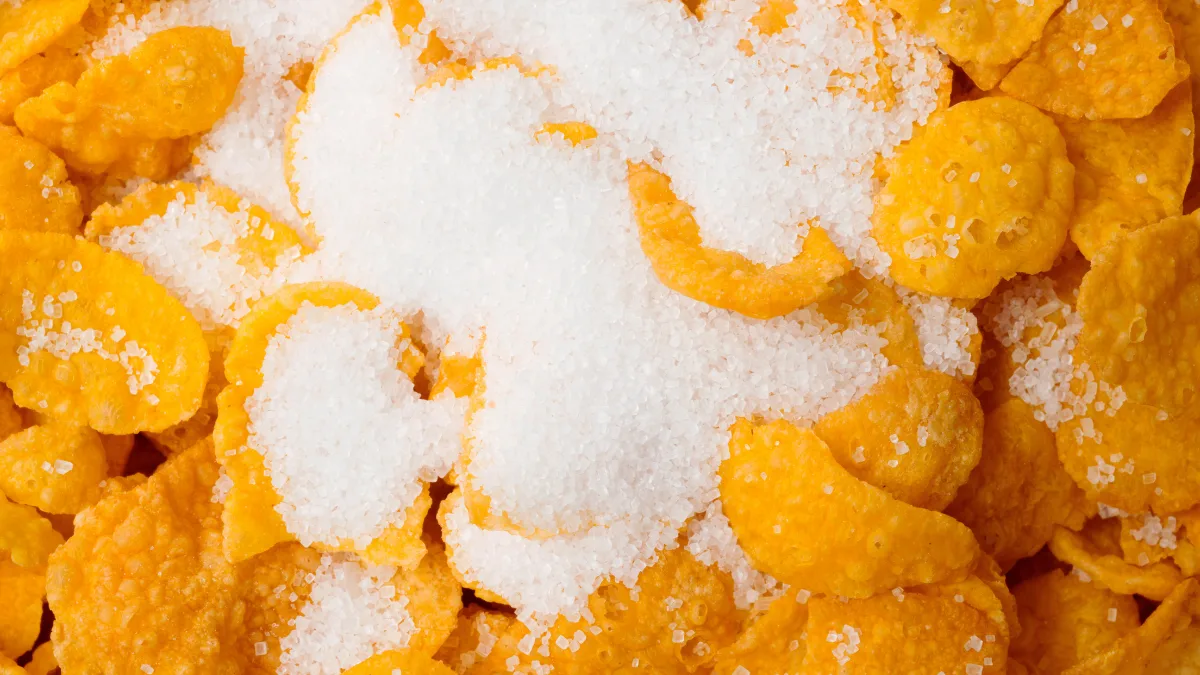
Dried fruit concentrates all the sugar of fresh fruit into smaller, less filling packages. What makes this worse is that many commercial varieties add even more sugar during processing.
Cranberries, naturally tart, often come coated with added sugar, sometimes up to 10g per quarter cup serving.
The combination of natural and added sugars creates a double whammy for your metabolism. Without the water content of fresh fruit to fill you up, it’s easy to consume far more than you would of whole fruit.
A quarter cup of dried cranberries contains about 15g of sugar but lacks the fiber and water that would normally help buffer the sugar impact.
Many people add dried fruit, thinking they’re making a healthy choice. Unfortunately, this concentrated sugar source can trigger the same insulin response as candy.
For a better option, top your salad with a small amount of fresh berries or sliced apple, which provide sweetness along with fiber and water to slow digestion and sugar absorption.
4. Processed Meats (Bacon Bits, Deli Meats)
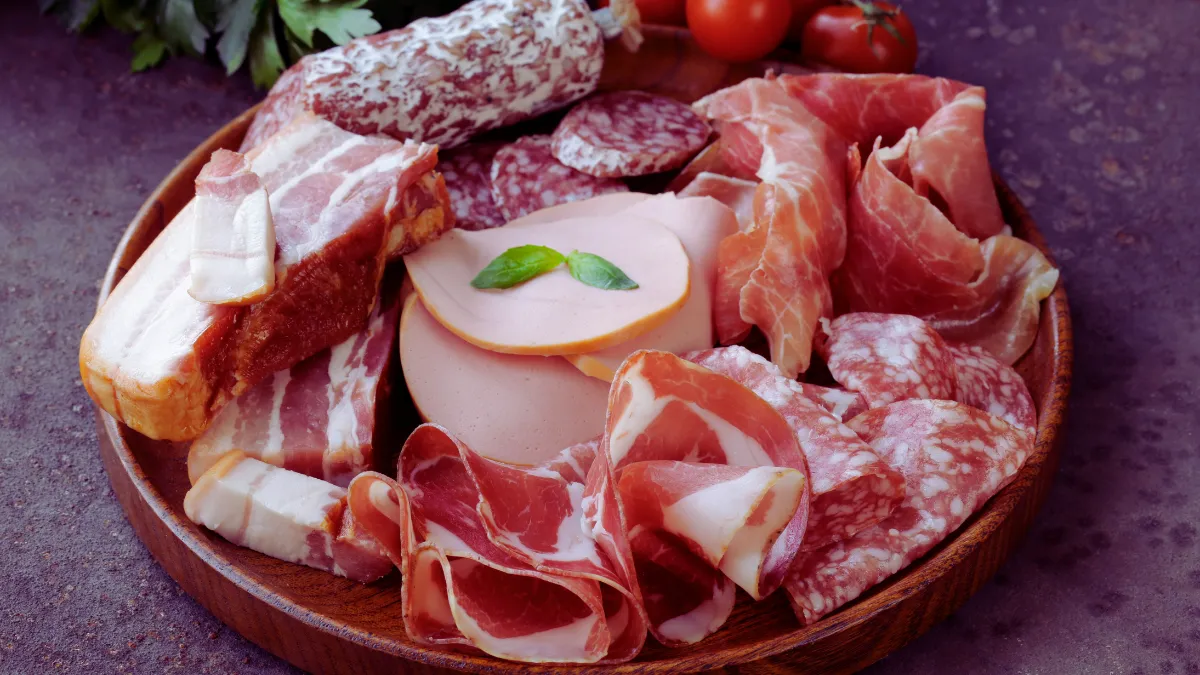
Bacon bits and deli meats might add flavor and protein, but they come with significant downsides. Most processed meats contain high amounts of sodium, preservatives like nitrates, and saturated fats.
A single ounce of bacon bits contains about 150 calories, mainly from unhealthy fats. The sodium content presents a particular problem for weight management.
High-salt foods cause water retention, which can mask fat loss and make you feel bloated. The preservatives used in these meats have been linked to increased inflammation, which disrupts normal metabolic function and fat burning.
Many restaurant salads feature these processed proteins as main attractions—bacon, ham, or salami often take center stage.
While protein helps with satiety, these processed versions come with too many metabolic disadvantages. For protein without the downsides, choose grilled chicken, hard-boiled eggs, or plant-based options like chickpeas that don’t contain the inflammatory compounds found in processed meats.
5. High-Fat Cheeses and Creamy Add-Ons
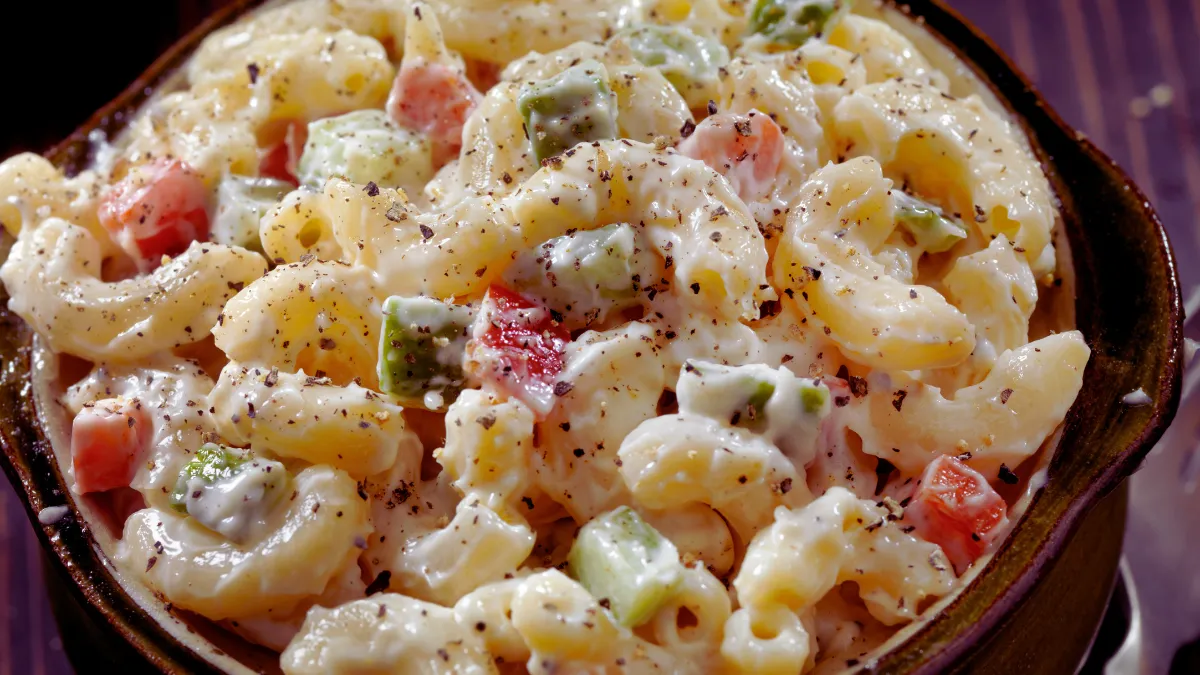
Cheese adds flavor and calcium, but it’s easy to go overboard. Most restaurant salads include generous portions of high-fat options like cheddar, blue cheese, or feta.
Just a quarter cup of shredded cheddar adds more than 100 calories, primarily from saturated fat, to your meal.
The problem compounds when creamy elements like extra dressing or dips enter the picture. These additions often contain both saturated fats and added sugars.
The combination slows digestion while adding significant calories that can easily turn your 300-calorie salad into an 800-calorie meal without making you feel more satisfied.
Your brain registers fat and protein as satisfying, which explains why these additions taste so good. However, the calorie density means you can consume a lot before feeling full.
For cheese lovers, try using a tablespoon of stronger-flavored options like parmesan or feta, which provide taste without excessive calories. Better yet, add nutritional yeast for a cheesy flavor plus B vitamins with minimal calories.
Healthier Dressing Alternatives
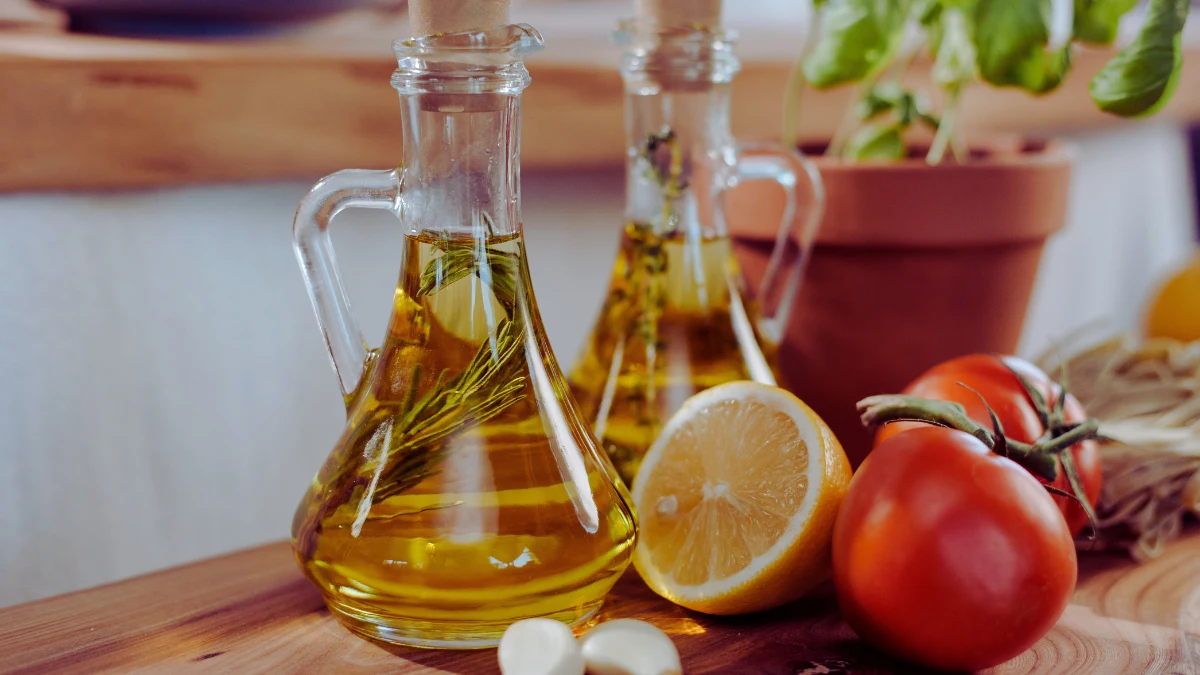
You don’t have to settle for store-bought dressings loaded with questionable ingredients. Making your own takes just minutes and puts you in control of what goes into your body.
The simplest approach combines olive oil with an acid like apple cider vinegar or lemon juice, plus herbs and spices for flavor.
This basic formula can be endlessly customized to suit your taste preferences while supporting your health goals.
A good starting ratio is three parts oil to one part acid. For a single serving, mix one tablespoon of extra virgin olive oil with one teaspoon of apple cider vinegar.
Add a pinch of salt, some fresh ground pepper, and minced garlic or herbs like basil or oregano. Shake it all together in a small jar, and you’ve got a dressing that enhances your salad without sabotaging your goals.
The ingredients in homemade dressings offer significant advantages over processed options. Olive oil contains monounsaturated fats that help reduce inflammation and support cardiovascular health.
These fats also assist your body in absorbing fat-soluble vitamins from your vegetables. Apple cider vinegar has been shown to help regulate blood sugar levels and may support digestive health.
Fresh herbs add not just flavor but also antioxidants and micronutrients that factory-made dressings simply can’t match.
Building a Balanced, Blood Sugar-Friendly Salad
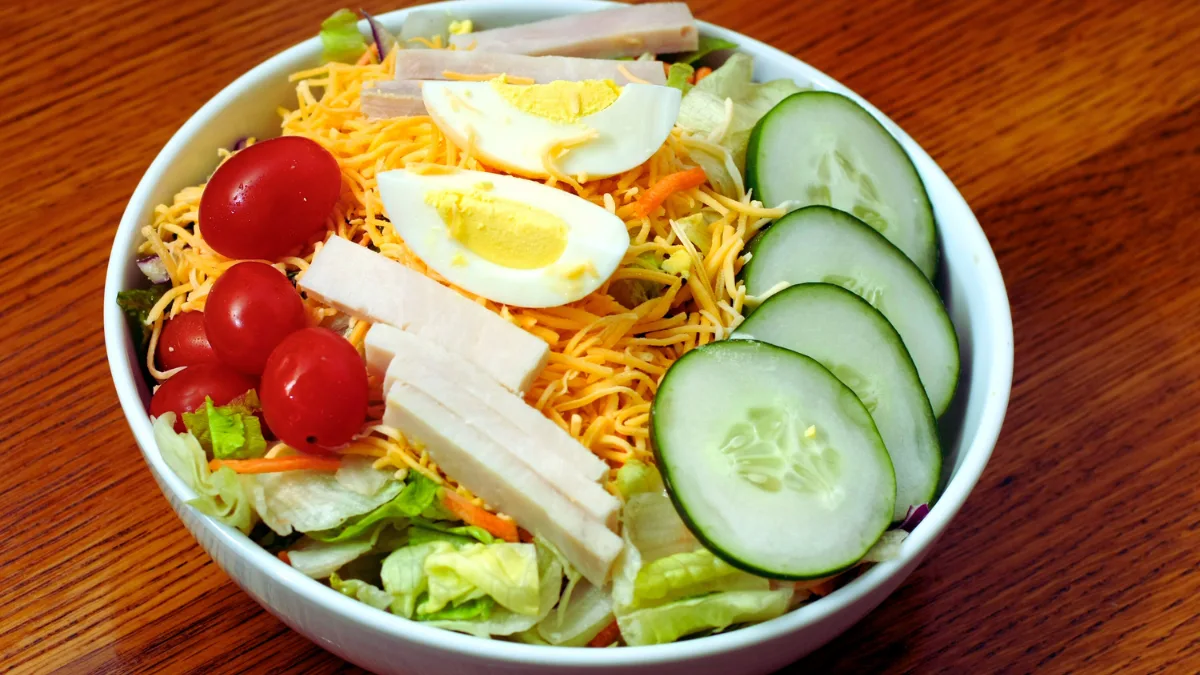
A truly weight-friendly salad needs to be more than just vegetables. Without the right balance of nutrients, your healthy lunch might leave you hungry and craving carbs an hour later.
The key is adding components that stabilize blood sugar and keep you satisfied. This means including adequate protein, healthy fats, and fiber with every salad.
Protein takes longer to digest than carbohydrates, which helps slow the release of sugar into your bloodstream. It also triggers hormones that signal fullness to your brain.
Aim for at least 15-20 grams of protein in your salad from sources like grilled chicken, hard-boiled eggs, tuna, tofu, or legumes like chickpeas or lentils. These options provide lasting energy without the inflammatory effects of processed meats.
The fiber in vegetables and other plant foods works synergistically with protein to manage blood sugar. Fiber slows digestion, feeds beneficial gut bacteria, and helps eliminate excess hormones and toxins from your body.
Leafy greens like spinach, kale, and arugula form an excellent base, while additions like broccoli, bell peppers, and avocado add texture and nutrition.
Whole grains like quinoa or wild rice can add sustaining carbohydrates without triggering the blood sugar spikes associated with refined grains and sugars.