

Remember when you could eat pizza at midnight without gaining an ounce? Those days vanished somewhere around your 35th birthday. Now your jeans feel tighter despite eating the same foods, and your energy crashes by 3 PM every day.
Your metabolism didn’t break overnight. It’s responding to hormonal shifts, muscle loss, and inflammatory foods that weren’t a problem in your twenties. The frustrating weight gain and constant fatigue aren’t inevitable parts of aging.
Nine simple kitchen swaps can reverse this metabolic damage. These endocrinologist-approved changes work with your body’s natural processes, not against them. No extreme diets or expensive supplements required.
1. Swap Sugary Drinks → Sparkling Water + Citrus/Mint

Your morning orange juice contains more sugar than a candy bar. Most fruit juices pack 25-30 grams of sugar per glass, sending your blood sugar on a roller coaster ride.
Soda adds even more damage with high fructose corn syrup that your liver struggles to process. Sparkling water becomes your new best friend.
Add fresh lemon slices, lime wedges, or crushed mint leaves for natural flavor without the metabolic chaos. Your taste buds adjust within days, and you’ll start craving the clean, crisp taste over artificial sweetness.
This single change cuts hundreds of empty calories from your day. Your insulin levels stabilize, reducing fat storage around your midsection.
Many people lose 3-5 pounds in the first month just from this swap alone, without changing anything else about their eating habits.
2. Swap Refined Grains → Whole Grains with Fiber
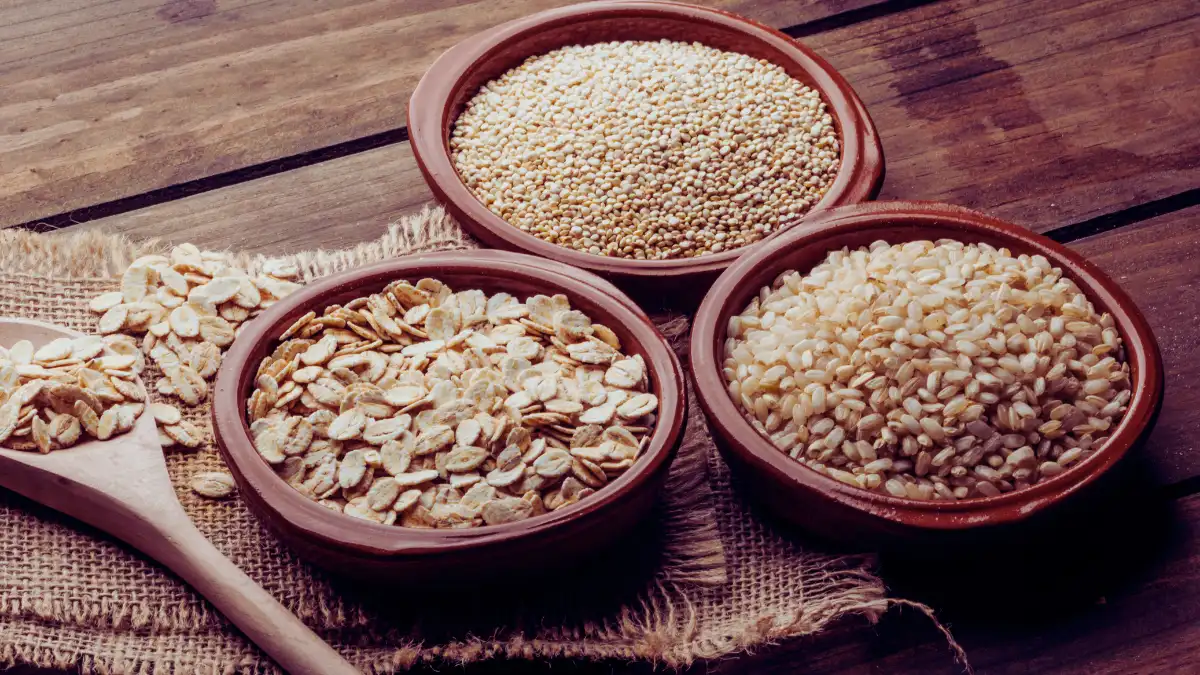
White bread, pasta, and rice hit your bloodstream like liquid sugar. These stripped grains lack fiber and nutrients, causing rapid spikes in blood glucose.
Your pancreas works overtime, pumping out insulin, eventually leading to resistance and stubborn weight gain.
Whole grains still contain their original fiber, protein, and minerals. Steel-cut oats, quinoa, and brown rice take more energy to digest, actually burning calories during the process.
The fiber slows sugar absorption, keeping your energy steady throughout the day instead of crashing after meals.
Start small by replacing one refined grain daily. Swap white toast for whole grain at breakfast, or choose brown rice with dinner.
Your body needs time to adjust to the extra fiber, so increase gradually to avoid digestive discomfort. Within weeks, you’ll notice more sustained energy and fewer afternoon cravings.
3. Swap Fatty Meats → Lean Protein (Especially at Breakfast)
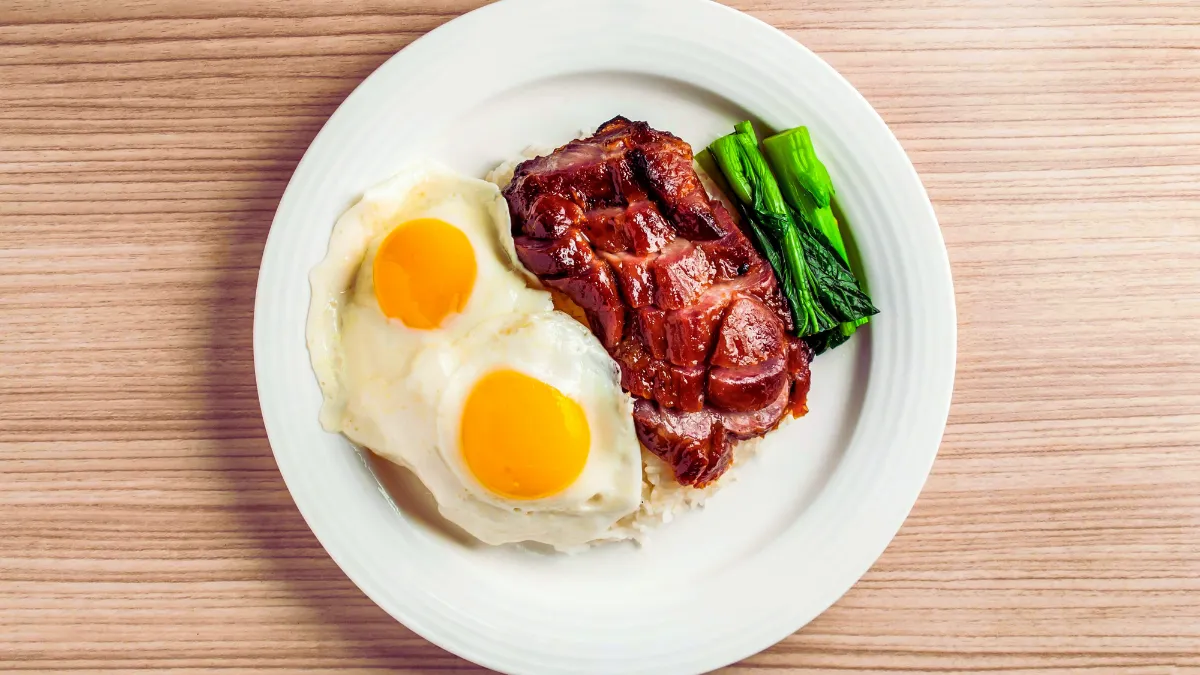
Bacon, sausage, and processed deli meats contain inflammatory fats that slow your metabolism. These foods also lack the muscle-building amino acids your body needs to maintain lean tissue.
After 35, you lose muscle mass yearly, which directly reduces how many calories you burn at rest. Eggs, chicken breast, fish, and Greek yogurt provide complete proteins without excess saturated fat.
Your body burns more calories digesting protein compared to carbs or fats. This thermic effect means you’re burning energy just by eating these foods.
Focus especially on breakfast protein to kickstart your metabolism. Two eggs with spinach beat a muffin every time.
Greek yogurt with berries provides sustained energy while keeping hunger at bay. Your muscle mass stays strong, maintaining the calorie-burning engine that keeps your weight stable as you age.
4. Swap Processed Oils → Healthy Fats (Avocado, Nuts, Olive Oil)
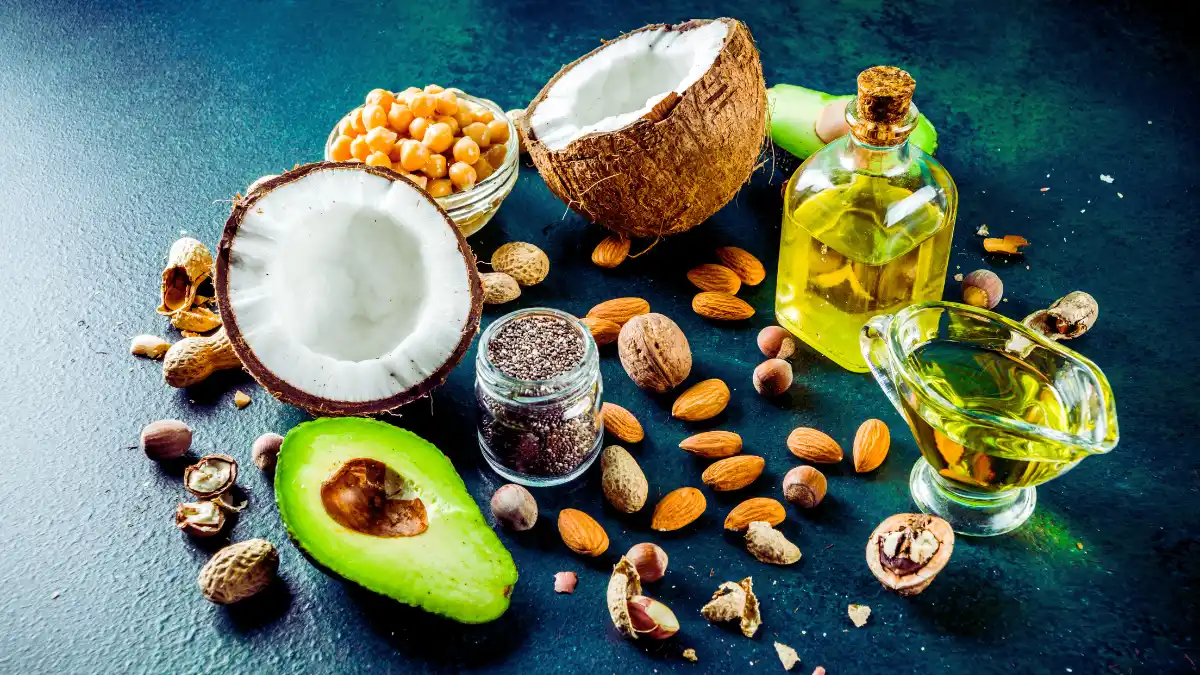
Vegetable oils sound healthy, but often contain inflammatory omega-6 fatty acids that interfere with hormone production. Corn oil, soybean oil, and margarine can slow your thyroid function.
Your metabolism depends on properly functioning hormones, especially thyroid hormones that control how fast you burn calories.
Avocado oil, olive oil, and nuts provide anti-inflammatory fats that support hormonal health. These fats help your body absorb fat-soluble vitamins and produce hormones that regulate appetite and metabolism.
Coconut oil contains medium-chain triglycerides that your body can use immediately for energy. Use avocado oil for cooking since it handles high heat without breaking down.
Drizzle olive oil on salads or cooked vegetables. Snack on almonds or walnuts instead of chips. These fats satisfy hunger longer than processed alternatives, naturally reducing your overall calorie intake without leaving you feeling deprived.
5. Swap Starchy Sides → Non-Starchy Vegetables

Potatoes, rice, and pasta fill up your plate with calories but little nutrition. These starches convert quickly to sugar in your bloodstream, promoting fat storage when eaten regularly.
They also crowd out vegetables that provide metabolism-supporting nutrients like magnesium and B vitamins.
Broccoli, asparagus, spinach, and bell peppers deliver vitamins and minerals with minimal calories. The fiber fills you up while feeding beneficial gut bacteria.
These bacteria produce compounds that boost your metabolic rate and improve insulin sensitivity. Fill half your plate with colorful vegetables at each meal.
Roast Brussels sprouts with garlic, sauté zucchini with herbs, or add extra vegetables to soups and stews. You’ll eat fewer total calories while getting more nutrients.
Your digestion improves, inflammation decreases, and your metabolism gets the support it needs to function optimally.
6. Swap High-Sugar Snacks → Protein/Fat Combos
Cookies, crackers, and granola bars send your blood sugar soaring, then crashing within hours. This roller coaster leaves you hungrier than before you ate.
Research published in the American Journal of Clinical Nutrition found that high-sugar snacks increase cravings and lead to overeating later in the day.
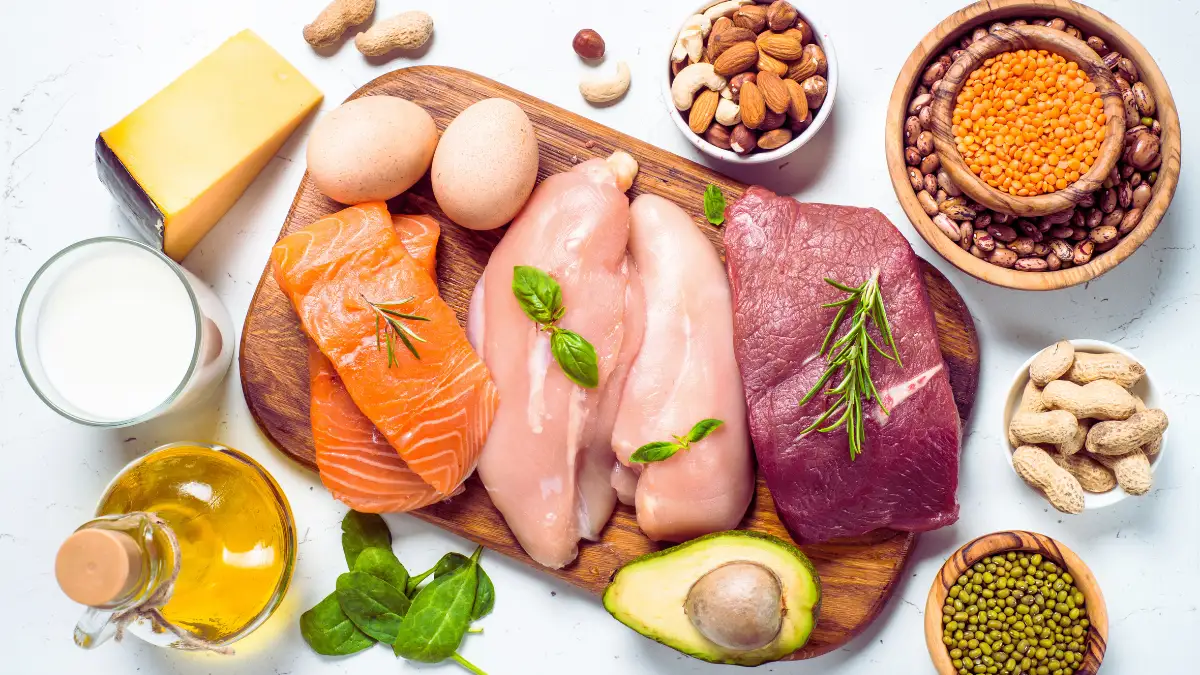
Protein paired with healthy fats creates steady energy without the metabolic chaos. Apple slices with almond butter, cheese with berries, or Greek yogurt with nuts satisfy hunger for hours.
Your blood sugar stays stable, preventing the insulin spikes that promote fat storage around your waistline. Plan these combinations ahead of time to avoid vending machine temptations.
Keep hard-boiled eggs in your refrigerator, portion nuts into small containers, or pack celery sticks with hummus.
Protein preserves your muscle tissue as healthy fats tell your brain you’re satisfied, cutting calories without conscious effort.
7. Swap High-Carb Breakfast Cereals → Eggs or Protein Shakes

Breakfast cereals disguise themselves as healthy options while delivering sugar bombs to start your day. Even “whole grain” varieties often contain 15-20 grams of added sugar per serving.
Your metabolism suffers when morning insulin spikes set the tone for unstable blood sugar all day long. Eggs provide complete protein with all the essential amino acids your muscles need for repair and growth.
Scrambled, poached, or hard-boiled, they keep you satisfied until lunch without energy crashes. Protein shakes with unsweetened almond milk and berries offer quick nutrition when time is tight.
Both options jumpstart your metabolism through the thermic effect of protein digestion. Your body burns calories processing these foods, unlike cereals that require minimal energy to digest.
Start with two eggs cooked in olive oil with spinach, or blend protein powder with frozen berries and a handful of spinach for a nutrient-dense morning fuel.
8. Swap High-Heat Cooking → Gentle Methods (Steaming, Sautéing)

Grilling, frying, and charring foods at high temperatures creates harmful compounds that increase inflammation in your body.
These advanced glycation end products interfere with cellular function and can slow your metabolic processes. Burnt or blackened areas on food are particularly problematic for metabolic health.
Steaming, sautéing, and slow cooking preserve nutrients while avoiding inflammatory byproducts. These methods maintain the natural flavors of foods without adding excess calories from oils or coatings.
Water-based cooking, like poaching or steaming, actually helps retain water-soluble vitamins that support metabolic function.
Experiment with herbs and spices to add flavor without relying on high-heat browning. Marinate meats in lemon juice or vinegar before cooking to reduce harmful compound formation.
Use a food thermometer to ensure safety while keeping temperatures moderate. Your digestive system will thank you, and your metabolism will function more efficiently.
9. Swap Salt → Metabolism-Boosting Herbs/Spices

Excessive salt consumption can worsen water retention and interfere with thyroid function, both of which affect your metabolic rate.
Many processed foods contain hidden sodium that adds up quickly throughout the day. Turmeric, ginger, cinnamon, and cayenne pepper naturally boost circulation and may increase thermogenesis.
These spices add complex flavors while providing anti-inflammatory compounds that support healthy metabolism.
Cinnamon helps regulate blood sugar, while cayenne contains capsaicin that can temporarily increase calorie burning.
Start by cutting the added salt in half and compensating with fresh or dried herbs. Garlic, rosemary, oregano, and basil transform simple dishes into flavorful meals.
Experiment with spice blends from different cuisines to keep meals interesting. Your taste buds adapt within weeks, and you’ll start noticing the natural flavors of foods that salt previously masked.