

You finally open your patient portal to read your scan results, and the radiologist report sounds like a horror story of bulging discs and severe degeneration.
Your doctor points to the glowing screen, explains that your spine is wearing out, and suddenly you feel far more broken than you did yesterday.
Turns out the overwhelming majority of people your age walking around with zero pain have the exact same terrifying spinal abnormalities.
Before making any changes based on this article, talk to your doctor, especially if you are currently dealing with severe acute pain or have a diagnosed spinal condition.
The Anatomy Of A Medical Scare
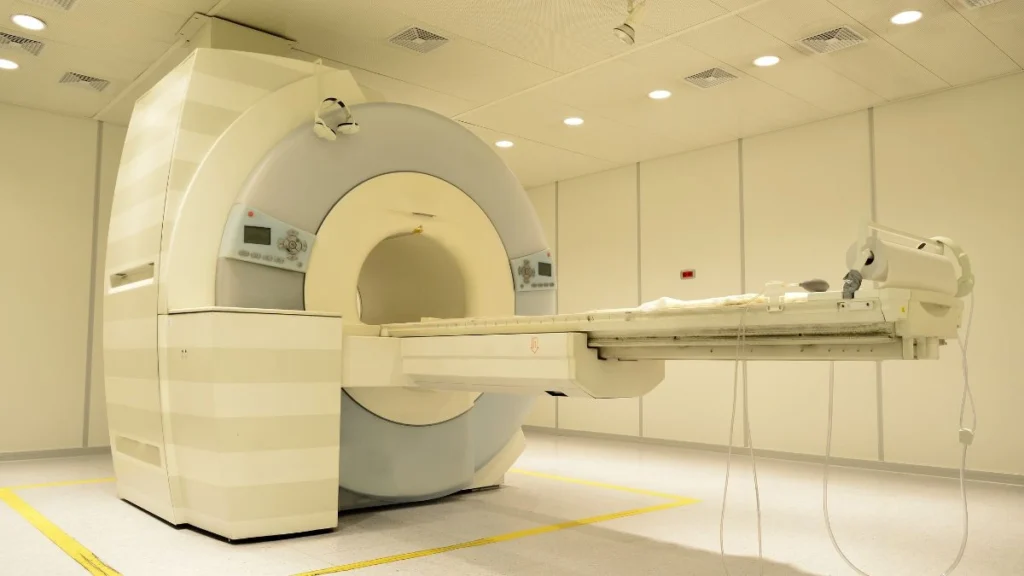
Magnetic Resonance Imaging completely changed modern medicine when it became widely available to the public. Doctors could finally look inside the human body without using a scalpel to find the source of an issue.
But this incredible technology created a massive unintended problem for millions of back pain sufferers.
The machines simply became too good at their jobs. They highlight every single tiny flaw, age spot, and structural quirk hiding inside your spine. When a radiologist reads these highly detailed scans, they are legally obligated to list every single abnormality they see on the screen.
This strict legal requirement creates a dense medical document filled with intimidating words like spondylosis, stenosis, and protrusion. A normal person reads this formal report and immediately assumes their back is a crumbling disaster. The global medical community is now realizing that treating the scan instead of the patient is a massive clinical mistake.
Wrinkles On The Inside
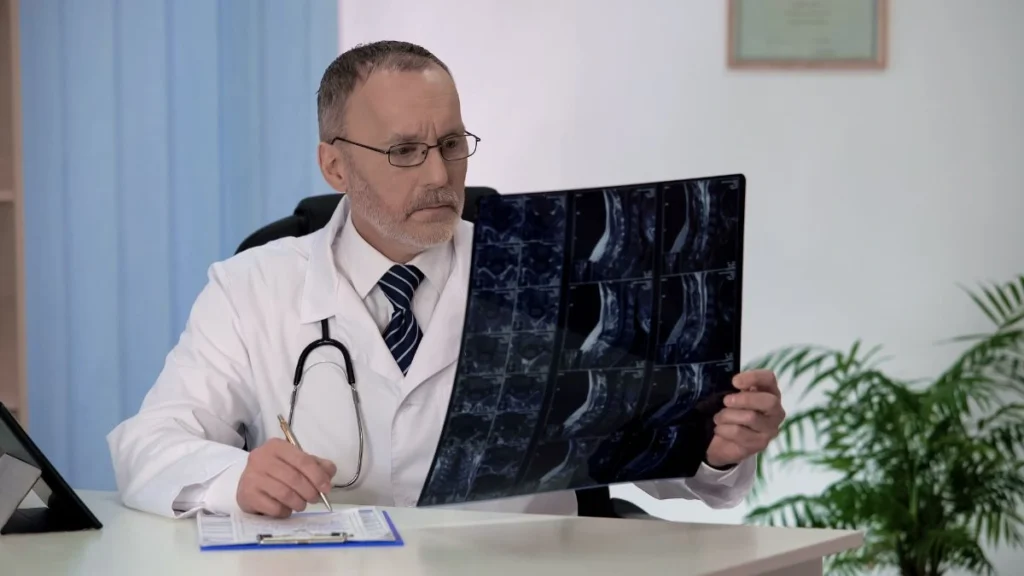
To understand why your MRI might be leading you astray, you need to look at what happens to people who have no back issues at all.
A few years ago, researchers decided to run thousands of completely healthy individuals through MRI machines just to see what a normal spine looks like as it ages.
The results absolutely shocked the old guard of the medical establishment. A landmark 2015 systematic review published in the American Journal of Neuroradiology looked at over three thousand asymptomatic patients. These were normal people living active lives with absolutely zero back pain.
The researchers found that structural deterioration is simply a normal part of getting older and existing on a planet with gravity.
Just like you get wrinkles on your face and gray hair on your head over the decades, you get wrinkles on the inside of your body. A bulging disc at age 60 is usually just a gray hair of the spinal column.
| Spinal Condition On MRI | Percentage Of Pain Free 60 Year Olds Who Have It | What The Finding Actually Means For Your Body |
| Disc Degeneration | 88 Percent | The spongy cushions between your bones have lost some water content and flattened slightly over time. |
| Disc Bulge | 69 Percent | The outer wall of the spinal disc is pushing outward slightly beyond its normal boundaries. |
| Facet Degeneration | 50 Percent | The small joints in the back of your spine show normal signs of wear and tear from a lifetime of movement. |
| Disc Protrusion | 38 Percent | A more pronounced bulge where the inner gel is pressing harder against the outer wall of the disc. |
| Annular Tear | 36 Percent | Small micro tears in the tough outer layer of the disc that have likely been there for years. |
The Real Reason Your Back Hurts

If the bulging disc on your fresh scan is not the root cause of your agony, you are probably wondering what is actually causing the severe pain. The answer very often comes down to central nervous system sensitivity and intense local inflammation.
When you tweak your back lifting a heavy box or twisting awkwardly, the surrounding core muscles often go into a severe protective spasm.
This sudden muscle spasm restricts blood flow and creates a highly acidic environment around the sensitive spinal nerves. Your brain senses danger and cranks up the pain dial to force you to stop moving so it can assess the situation.
You go to the doctor in agony and get an MRI prescribed. The expensive scan shows a disc bulge that has probably been sitting there for ten years without causing a single issue.
But because the bulge is clearly visible on the screen, it gets unfairly blamed for the muscular spasm and chemical inflammation that just started yesterday.
The Invisible Immune Response

There is another fascinating reason why severe pain often goes away even when the structural damage remains on the scan. Your immune system has a highly specialized cleanup crew designed to handle spinal injuries.
When a disc herniates severely, the inner gel material leaks out into the spinal canal. This inner gel contains proteins that your immune system has never seen before, so your body treats it like an invading virus. This triggers a massive chemical response that causes incredible pain in the short term.
However, your body quickly deploys specialized cells called macrophages to the area. These cellular pac men literally eat the leaked disc material and clean up the severe inflammation over a few months.
Your pain completely vanishes as the inflammation drops, even though a repeat MRI might still show a deformed disc space.
Everyone responds to physical symptoms differently, so always check with your healthcare provider before deciding to ignore structural findings if you have an existing pain condition or take prescription medication.
The Overtreatment Cascade
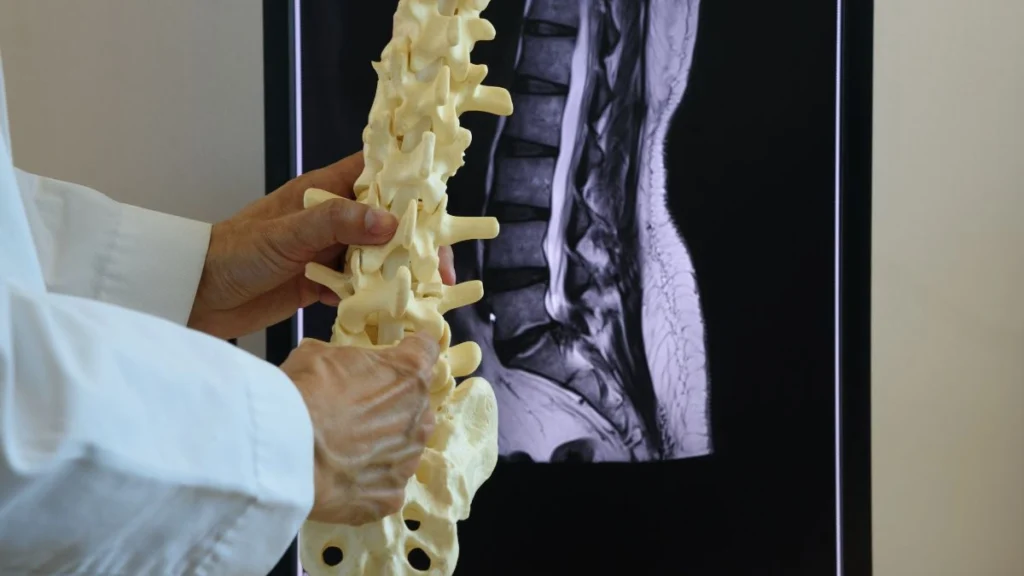
This fundamental misdiagnosis trap leads directly into what health experts call the overtreatment cascade. Once a doctor points out a physical flaw on an MRI, the standard medical machine kicks into high gear.
You might be prescribed heavy pain killers, offered aggressive steroid injections, or even told you urgently need spinal fusion surgery. Studies consistently show that getting an early MRI scan for routine back pain actually leads to much worse outcomes over the long term.
Patients who get scanned early are significantly more likely to undergo unnecessary surgery and much more likely to end up on permanent disability.
This tragic cascade happens largely because of the nocebo effect. This phenomenon is the evil twin of the famous placebo effect. When a trusted figure of authority tells you your back is permanently damaged, your brain genuinely amplifies the pain signals because it truly believes you are in grave danger.
| Outdated Medical Approach | Modern Science Backed Protocol | Why The New Method Works Better |
| Strict bed rest for several days | Immediate gentle movement | Movement flushes out inflammatory chemicals and prevents severe muscle stiffness. |
| Relying heavily on MRI scans | Relying on physical symptom checks | Scans create unnecessary fear while physical tests reveal what your body can actually do. |
| Avoiding all bending and lifting | Progressive tissue loading | Slowly exposing the back to weight builds robust strength and resilient spinal tissues. |
| Recommending early surgery | Emphasizing physical therapy first | The body heals most acute disc injuries naturally without needing invasive hardware. |
The Daily Habit That Actually Works
The Daily Habit That Actually Works
Begin with a few minutes of movement, slower breathing, less bracing, and simple notes about what helps your body feel better.
Your four-part morning reset
-
Move Before You Sit
Take a Brisk Five-Minute Walk
Walk before sitting down with coffee, your phone, or the morning news. The goal is to begin the day with easy whole-body movement instead of immediate stillness.
Five minutes -
Slow the System Down
Practice Diaphragmatic Breathing
Let your abdomen expand gently as you inhale and soften as you exhale. Two quiet minutes can encourage slower breathing and less unconscious tension.
Two minutes -
Release Unneeded Effort
Stop Bracing Your Core All Day
Your abdominal muscles do not need to remain rigid during every normal activity. Allowing them to soften may help your trunk and spinal muscles relax naturally.
Check in throughout the day -
Track Positive Patterns
Keep a Simple Movement Journal
Note which walks, stretches, positions, or gentle activities leave you feeling more comfortable. Focus on what helps you move better, not only on what triggered discomfort.
One short note daily
Translating Your Radiologist Report

If you already have your detailed MRI report in hand, the absolute best thing you can do is learn how to accurately decipher the scary terminology.
Medical jargon is specifically designed for quick communication between doctors and surgeons. It is entirely entirely unsuited for comforting anxious patients.
Understanding these clinical terms can quickly strip away the deep fear associated with your diagnosis.
When your underlying fear drops, your nervous system stops guarding the injured area so aggressively. This sudden drop in protective muscle tension alone can sometimes cut your daily pain levels in half.
| Scary Radiologist Term | Plain English Translation | Actual Threat Level For A 60 Year Old |
| Degenerative Disc Disease | Normal aging of the spine | Very Low. It is not actually a disease at all. |
| Spondylosis | Spinal arthritis and wear | Low. Just a fancy word for normal joint aging. |
| Foraminal Narrowing | Less space for the nerve to exit | Moderate. Only matters if you have shooting pain down the leg. |
| Mild Disc Desiccation | The spinal disc is drying out | Very Low. A standard part of reaching your sixth decade. |
When Back Pain Is Actually An Emergency

While most structural findings are harmless signs of aging, certain symptoms indicate a genuine medical crisis that requires immediate intervention. Stop reading and seek emergency medical care if you experience any of the following warning signs:
- Sudden and complete loss of bowel or bladder control.
- Severe numbness spreading through your groin or inner thighs like a saddle.
- Leg weakness so severe that you cannot physically lift your foot to walk.
- Unexplained rapid weight loss paired with intense spinal pain that constantly wakes you up at night.
Rebuilding Confidence In Your Spine

Your spine is one of the strongest and most resilient mechanical structures in the known universe. It is specifically designed by nature to bend, twist, bear heavy weight, and heal rapidly from injury. A printed radiologist report does not suddenly erase millions of years of successful human evolution.
The most successful rehabilitation programs for chronic back pain now focus heavily on a concept called movement optimism.
Physical therapists teach their older patients that they are entirely safe to move even if they have severe arthritis or massive disc degeneration on their charts. The core philosophy is that physical hurt does not always equal physical harm.
Gentle tissue loading and progressive resistance training actually help the discs and joints stay properly hydrated. Movement acts exactly like a sponge inside your body.
It squeezes out old cellular waste products and pulls in fresh blood and nutrients to heal the spinal tissues.
Taking The Next Step Forward
You possess the incredible power to completely change how you view your own physical body. The next time you feel a sharp twinge in your lower back, pause and remember the thousands of pain free 60 year olds walking around your neighborhood with the exact same spine.
Work with a modern physical therapist who truly understands current pain science and nervous system regulation. Seek out health practitioners who actively want to help you build functional strength rather than those who just want to fix your perceived anatomical defects.