

Your circulatory system stretches over 60,000 miles, but the first biological indicators of failure often appear in the last few inches: your feet. You likely dismiss that heavy, swollen feeling in your ankles or those perpetually cold toes as simple fatigue or the result of a long day.
However, these subtle physical changes are actually a physiological dashboard signaling that your heart is struggling to pump blood against gravity.
According to data from the American Heart Association, recognizing these specific peripheral symptoms early can prevent catastrophic cardiac events before chest pain ever begins.
1. Unexplained Swelling (Edema)
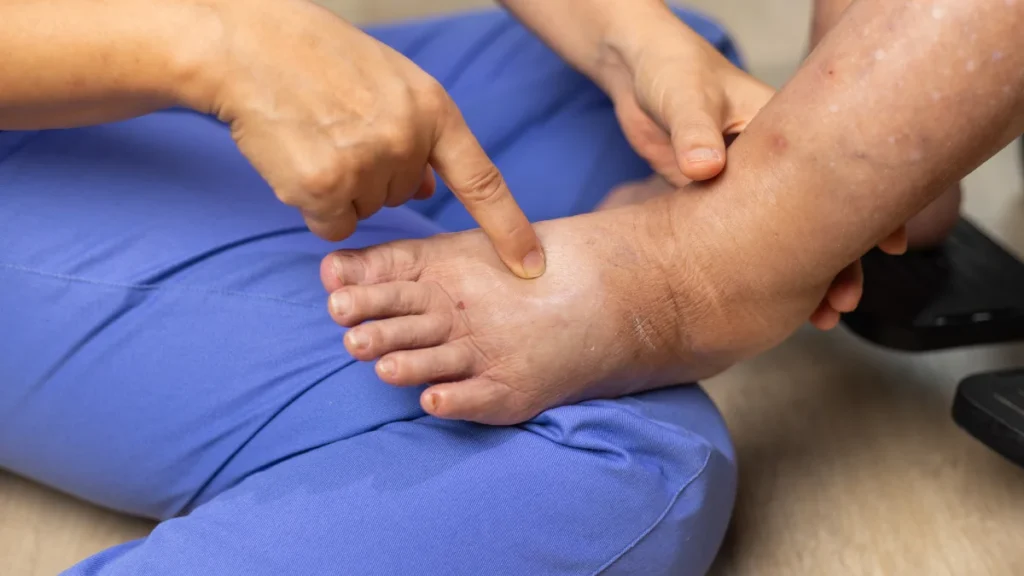
When the right side of your heart loses the strength to pump efficiently, blood backs up in your veins and fluid leaks into surrounding tissues. This gravitational accumulation is most visible in the ankles and feet, creating a distinct puffiness that differs from normal daily swelling.
You can distinguish this from standard water retention by pressing your thumb into the swollen area; if the skin remains indented for several seconds, it signals a medical concern.
- Persistent swelling that worsens as the day progresses
- Indentations left by socks that remain visible for hours
- Skin that feels tight or stretched over the ankle bone
2. Cold Feet in a Warm Room
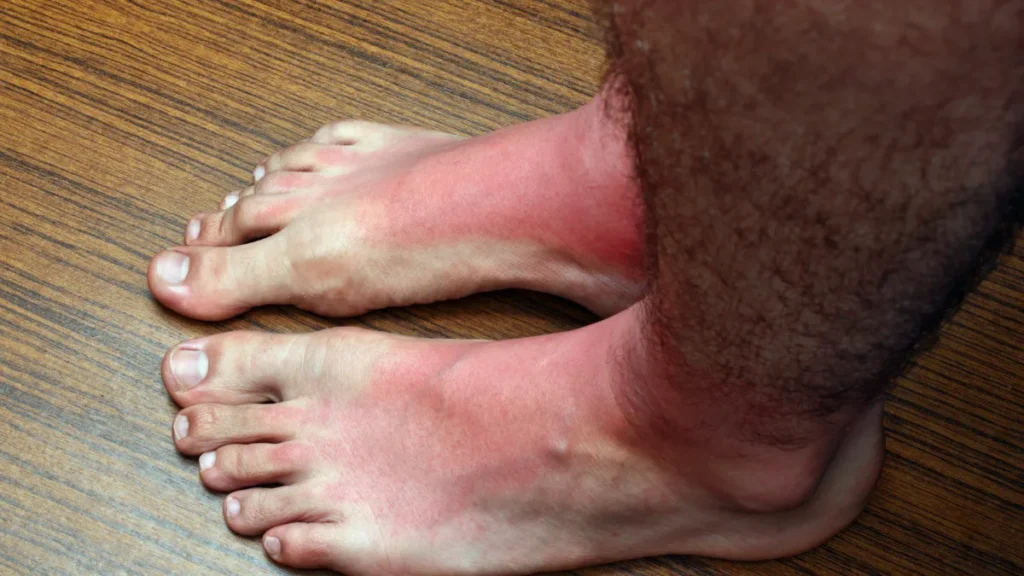
Your body naturally constricts blood vessels to conserve heat, but chronic coldness in the extremities often points to arterial blockages preventing warm blood from reaching your toes.
This condition, known as vasoconstriction, acts as a localized warning that your circulation is compromised even when the rest of your body is comfortable. A significant temperature difference between your left and right foot is a strong indicator of vascular disease.
- Toes that feel icy to the touch despite wearing socks
- One foot being noticeably colder than the other
- Pale or blanched skin color accompanying the cold sensation
3. Blue or Purple Toes (Cyanosis)
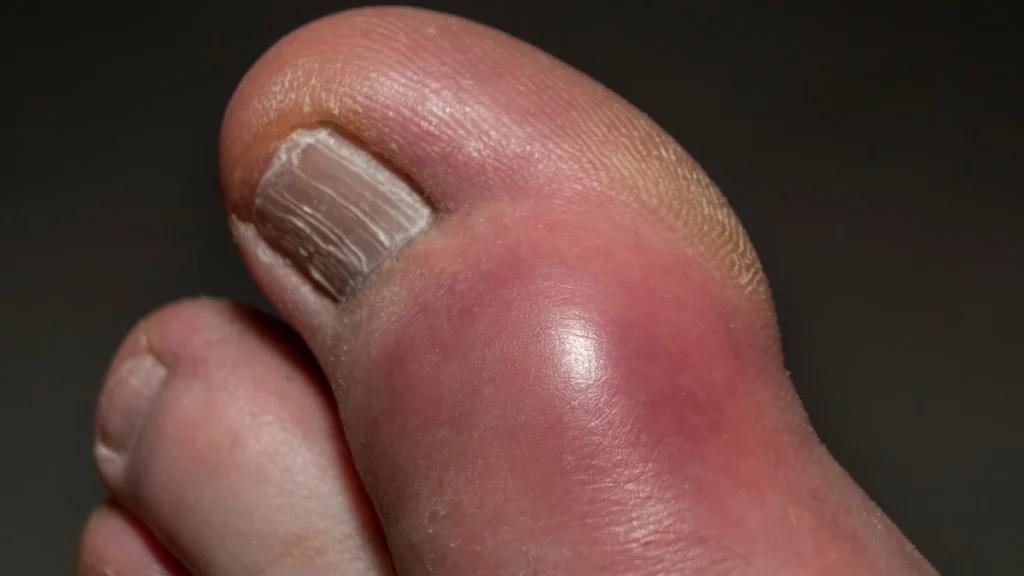
Healthy red blood cells carry oxygen that gives skin a pinkish hue, so a shift to blue or purple indicates that your tissue is suffocating. This discoloration, often called Blue Toe Syndrome, can occur when plaque crystals break off from arterial walls and block the tiny capillaries in your feet.
Unlike a bruise from stubbing your toe, this color change happens without trauma and signals a blockage that needs immediate clearance.
- Sudden discoloration of one or more toes
- Mottled skin appearance resembling lace or netting
- Pain or a burning sensation in the discolored area
4. Painful Lumps on Toes (Osler’s Nodes)
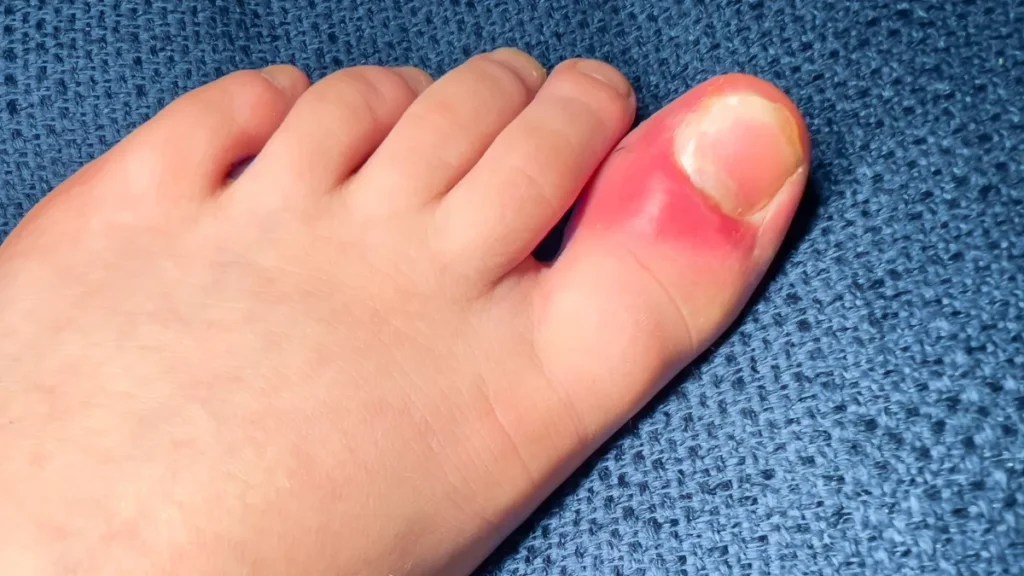
Small, tender bumps appearing on the pads of your toes or fingers are a specific immune response to a heart valve infection. These painful red nodules, known as Osler’s nodes, occur when immune complexes deposit in the skin as your body fights bacteria in the bloodstream.
They serve as a cutaneous alarm bell for Infective Endocarditis, a serious condition requiring urgent antibiotic treatment.
- Red, raised bumps on the tips of toes or fingers
- Tenderness or pain when the area is touched
- Rapid appearance over the course of hours or days
5. Clubbing of the Toes
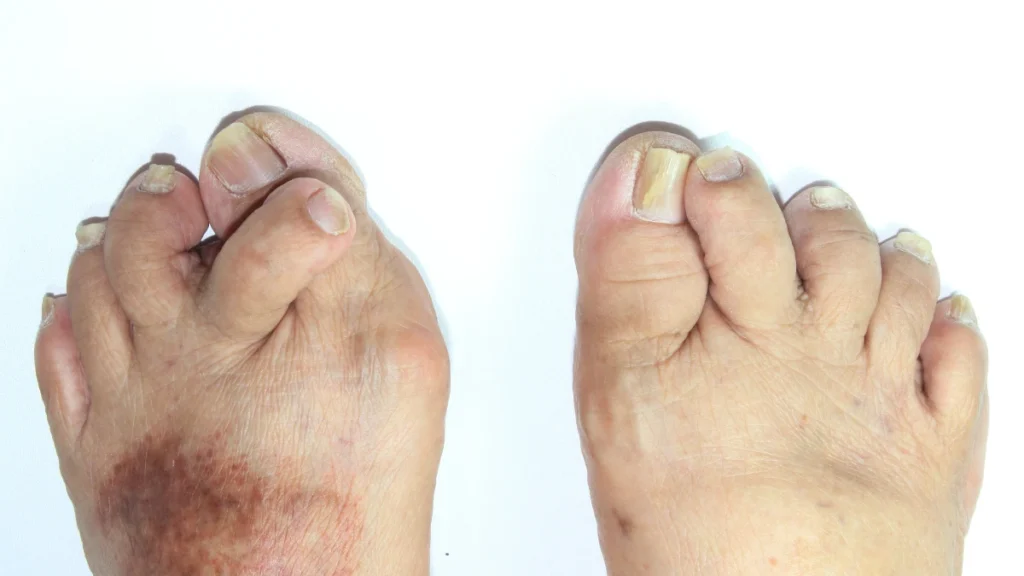
Long-term oxygen deprivation causes structural changes in the nail beds, leading the tissue to bulb out and the nails to curve downward. This painless deformation is not a skin condition but a systemic sign often linked to congenital heart defects or chronic lung disease.
You can test for this by pressing your fingernails back-to-back; a lack of a diamond-shaped gap between them indicates clubbing is present.
- Enlargement or bulging of the fingertips or toe tips
- Nails that curve downward like the back of a spoon
- Softening of the nail bed that feels spongy to the touch
6. Red Lines Under Toenails (Splinter Hemorrhages)
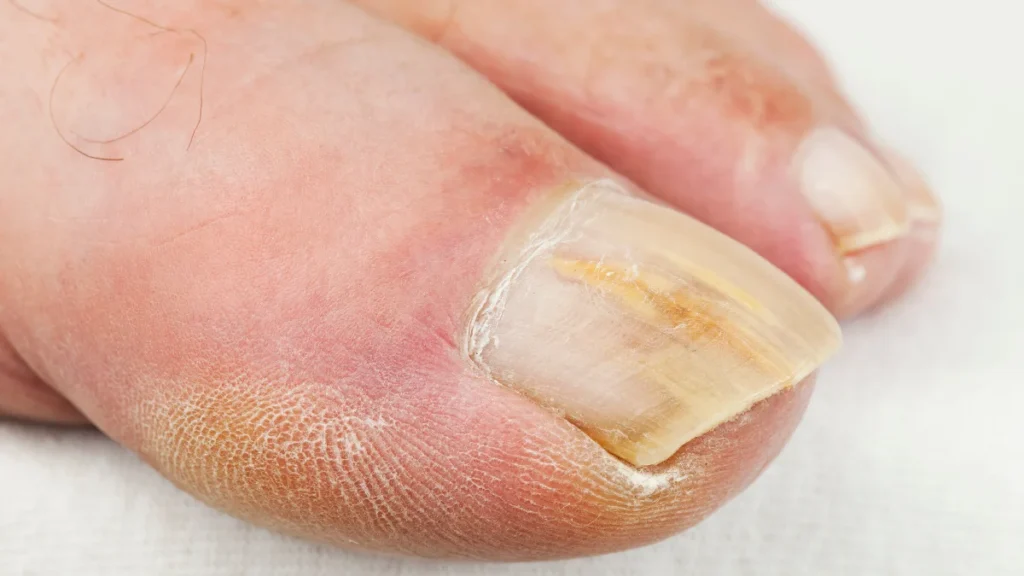
Tiny red or reddish-brown streaks running vertically under your toenails often look like wood splinters, but they are actually burst capillaries.
While physical trauma can cause these, their spontaneous appearance on multiple nails suggests damage to blood vessels from heart valve infections. These hemorrhages are caused by tiny clots that damage the small capillaries in the nail bed.
- Dark red or brown linear streaks under the nail plate
- No history of recent injury to the toe
- Appearance on multiple toes simultaneously
7. Hair Loss on Feet and Legs
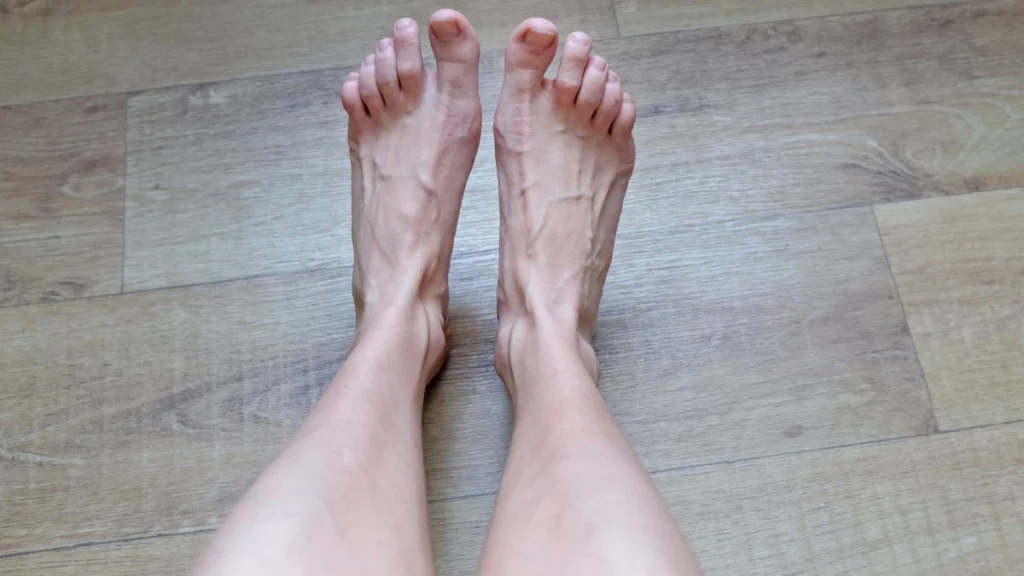
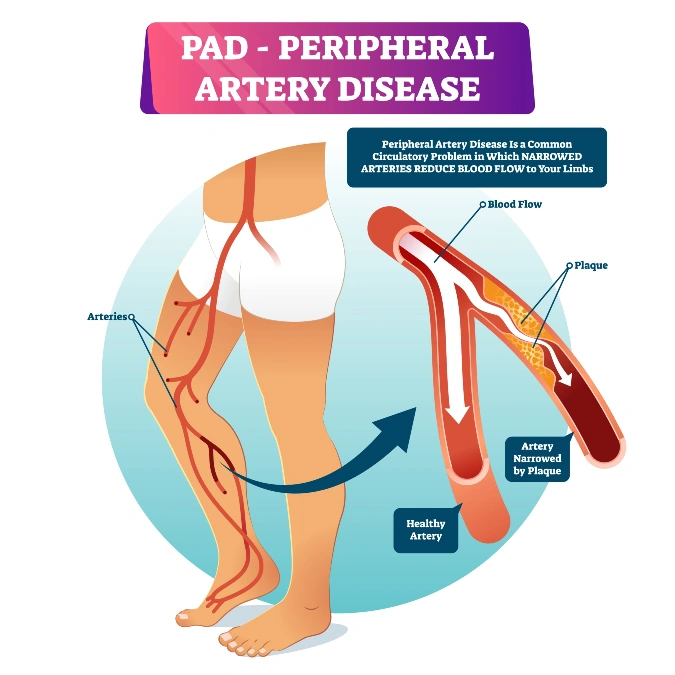
Your circulatory system operates on a triage basis, prioritizing vital organs over non-essential tissues like hair follicles when blood flow is restricted. Peripheral Artery Disease (PAD) reduces the nutrient supply to your lower limbs, causing the hair on your shins and toes to stop growing or fall out entirely.
This creates a shiny, taut appearance to the skin that many men mistakenly attribute to simple aging.
- Patchy or complete hair loss on the lower legs
- Skin that appears shiny, tight, or brittle
- Toenails that grow significantly slower than usual
8. Non-Healing Sores (Arterial Ulcers)
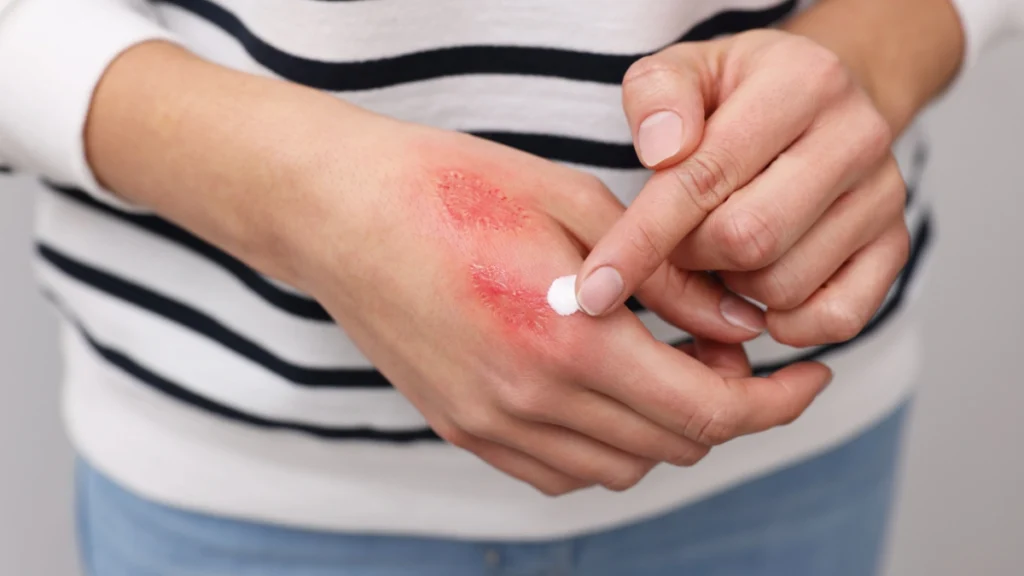
Your skin requires a steady supply of oxygen and nutrients to repair daily micro-damage, so wounds that refuse to heal indicate that this supply line has been cut.
Arterial ulcers typically form on pressure points like the heels or the tops of toes and have a dry, “punched-out” appearance. Unlike venous ulcers which might bleed, these sores are often dry because there is simply not enough blood reaching the surface.
- Open sores that do not heal after two weeks
- Wounds located on pressure points or toes
- Dry, pale wound beds with minimal bleeding
9. Painful Cramping While Walking (Claudication)
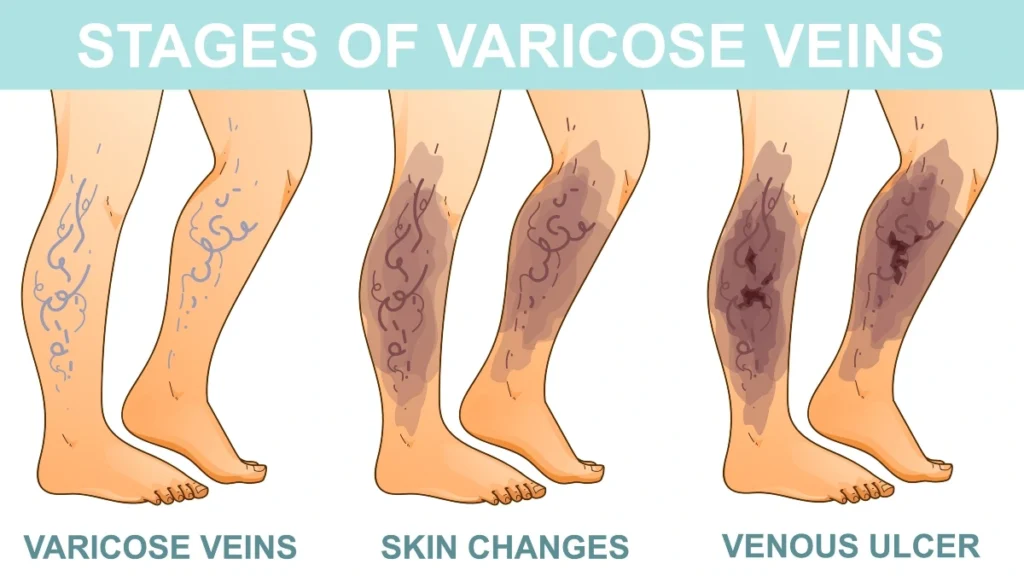
Muscles require increased blood flow during exertion, and when clogged arteries cannot meet this demand, the muscle tissue screams in pain.
This condition, known as intermittent claudication, manifests as cramping in the calves or thighs that occurs specifically during movement and vanishes rapidly when you rest. It acts as “angina of the legs,” signaling that your arteries are too narrow to support physical activity.
- Pain in the calves that triggers only during walking
- Relief that comes within minutes of stopping movement
- Consistent pain distance (e.g., it always hurts after one block)
10. Weak or Absent Pulse in Feet

You should be able to feel a rhythmic pulse on the top of your foot, known as the dorsalis pedis pulse, just as easily as you can on your wrist.
If this pulse is faint or impossible to find, it suggests that a blockage higher up in the leg is dampening the blood flow before it reaches your foot. This tactile check is a simple diagnostic tool you can perform at home to gauge arterial health.
- Difficulty finding a pulse on the top of the foot
- A rhythm that feels significantly weaker than your wrist pulse
- Need for a medical Doppler test to verify blood flow
11. Numbness or Pins and Needles
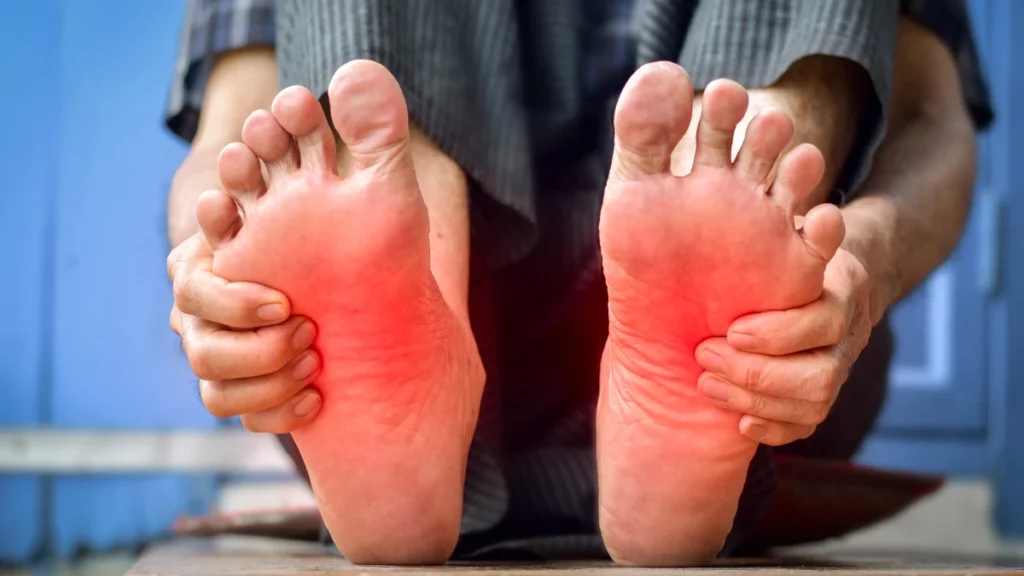
Nerves are incredibly sensitive to oxygen levels, and when blood flow is restricted, they begin to malfunction and send erratic signals to the brain.
This results in peripheral neuropathy, characterized by a sensation of numbness, tingling, or “pins and needles” that occurs even when you haven’t been sitting in an awkward position. This is not a temporary limb “falling asleep” but a chronic sign of nerve starvation due to poor vascular health.
- Tingling sensations while walking or sitting normally
- Reduced sensitivity to touch or temperature
- Burning or prickling feelings in the toes or soles
Status: SIGNAL DEGRADATION